A hernia can make the simplest everyday activities—walking, bending, or even standing—feel uncomfortable. Many people look for non-surgical ways to manage symptoms, and a hernia support truss is often one of the first options recommended. But how do you know if it’s right for you? In this article, we’ll break down the purpose, benefits, and practical considerations of using a hernia truss in a way that feels relatable and easy to understand.
What Is a Hernia Support Truss?
A hernia support truss is a wearable device designed to apply gentle, targeted pressure to the affected area. It helps keep the hernia in place and reduces discomfort during daily activities. While it does not cure a hernia, it can make day-to-day movement far more manageable.
People often use a truss while waiting for surgery or when their doctor recommends non-surgical management. Brands like Bodyassist design support products that fit comfortably and offer stable pressure without restricting movement.
Why Do People Use a Hernia Support Truss?
Living with a hernia brings unpredictable discomfort. A support truss can help by:
Offering gentle compression
Supporting weakened muscles
Reducing discomfort during walking, working, and exercising
Helping prevent the hernia from bulging during activity
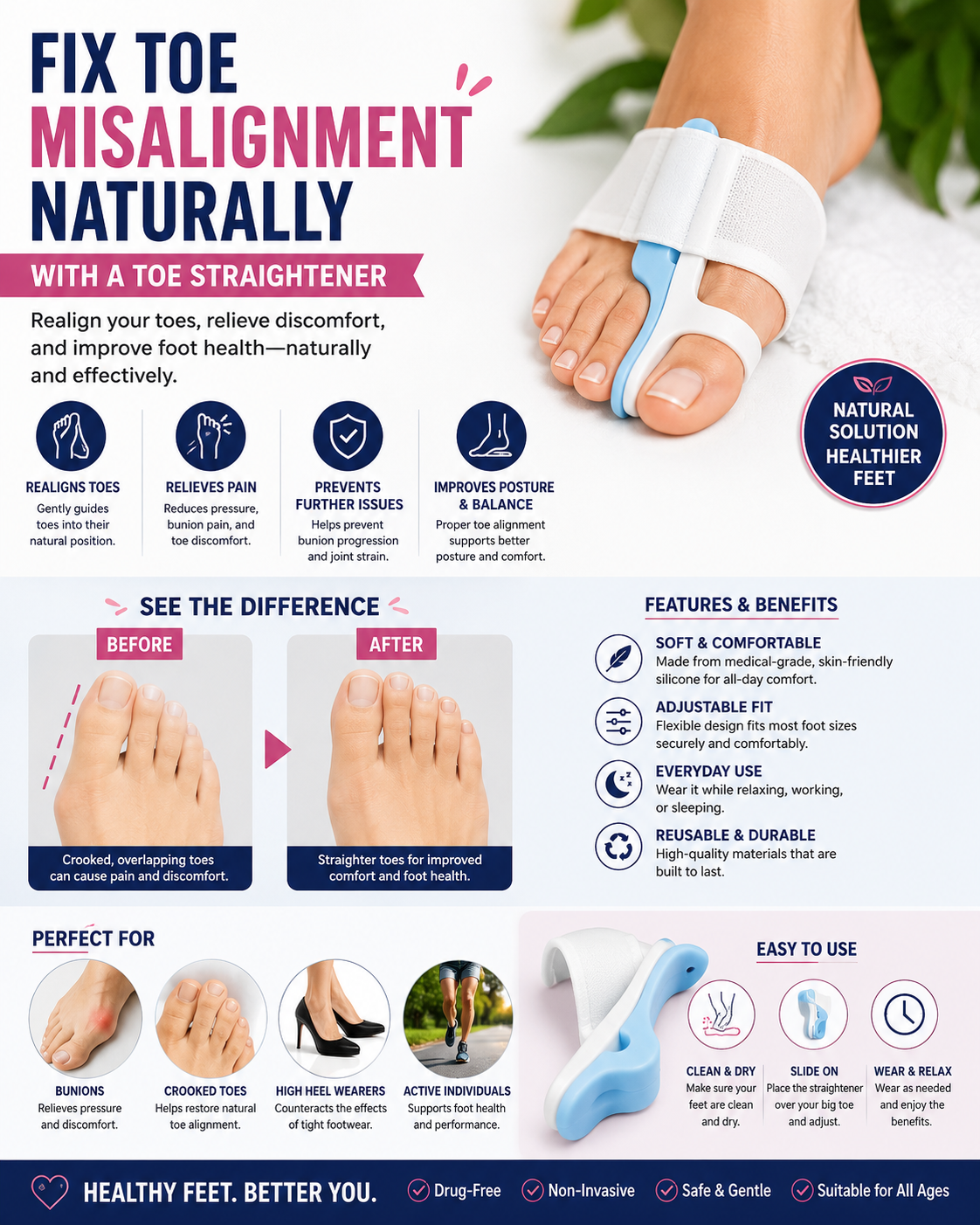
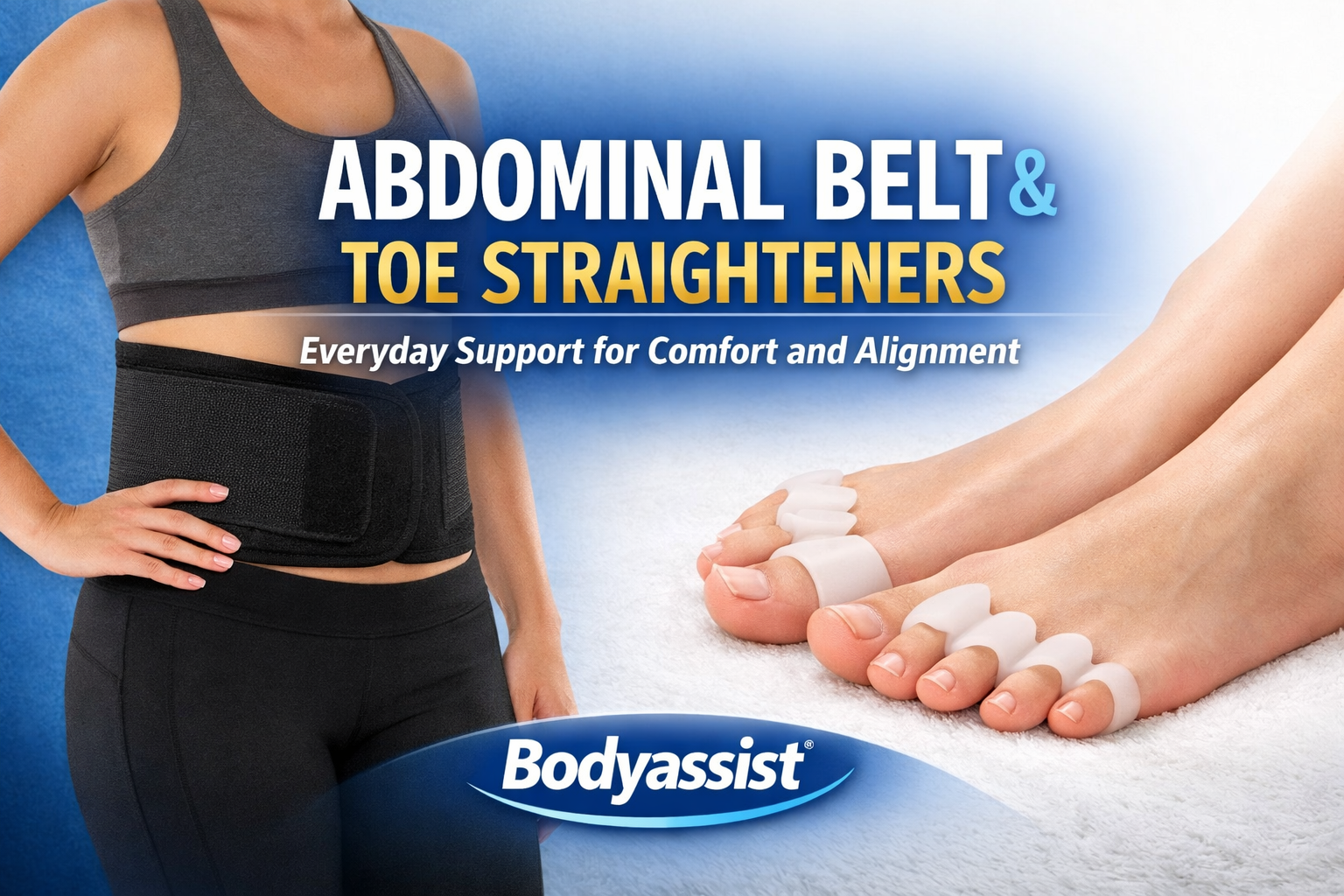
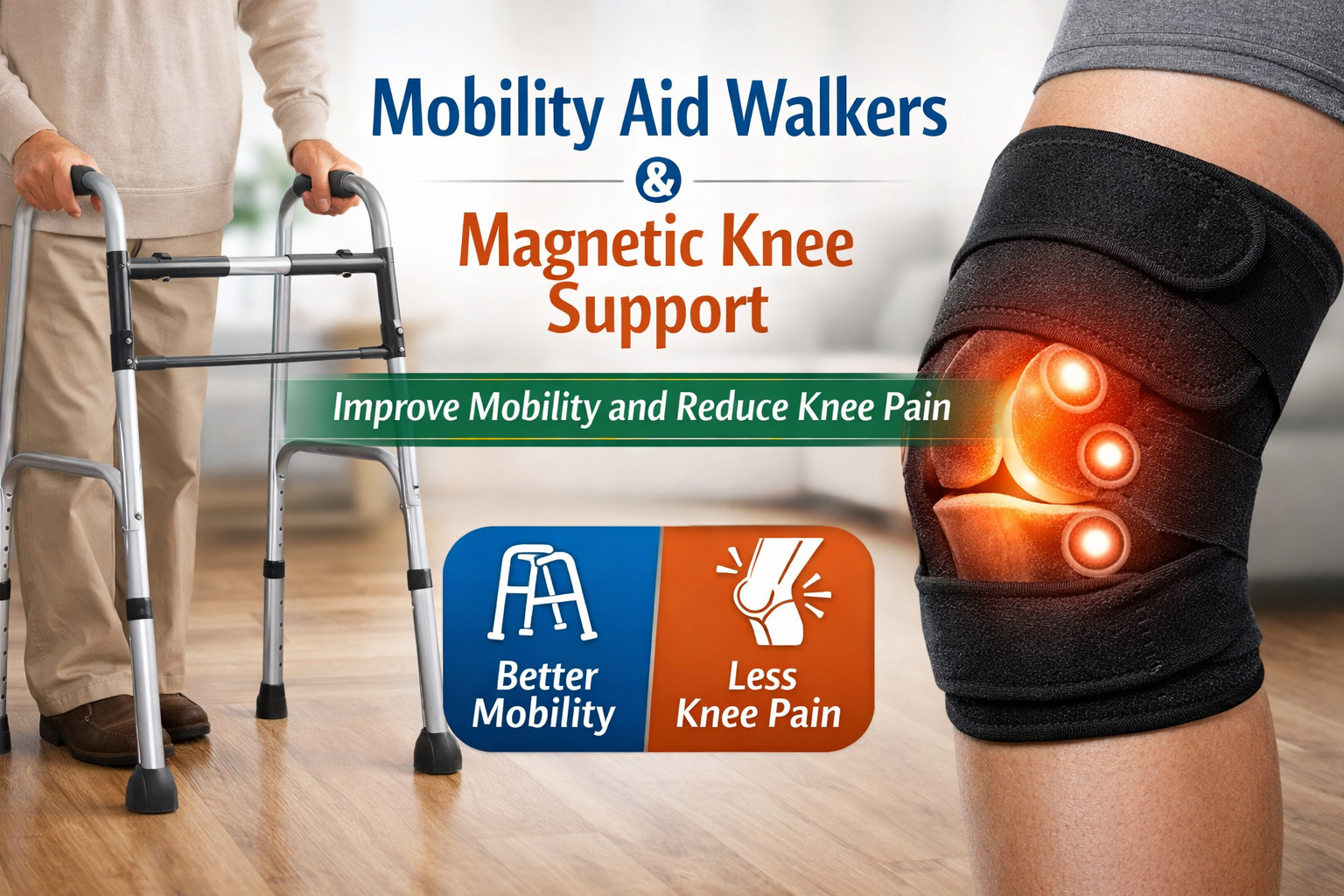
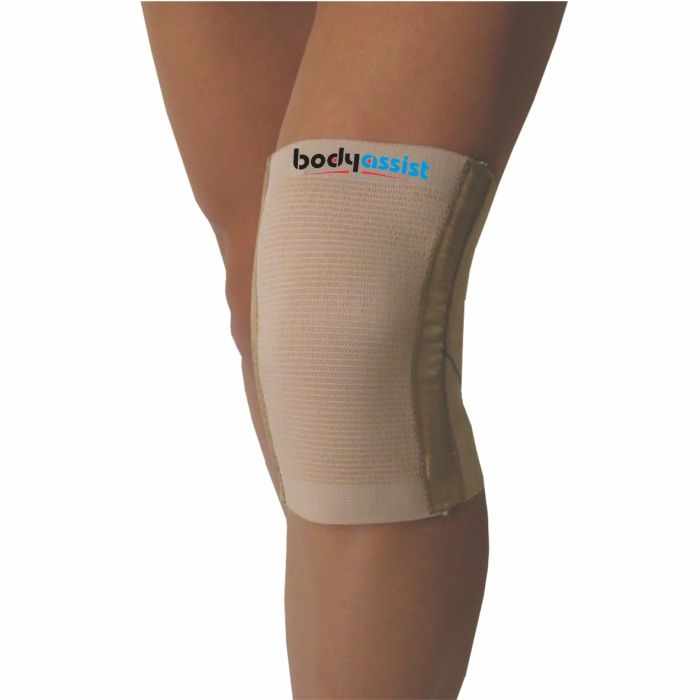
Some people combine it with other supportive items like a support brace knee, Abdominal Belt, Toe Straightener, or elastic knee braces support products to manage their overall physical comfort.
Key Benefits of Using a Hernia Support Truss
1. Helps Reduce Daily Discomfort
A hernia truss supports the weakened abdominal area, making movement less painful. It doesn’t stop you from living your life—it simply makes things feel more manageable.
2. Offers Gentle, Consistent Pressure
The gentle pressure helps keep the hernia in place and prevents sudden discomfort when coughing, bending, or lifting something light.
3. Enables Better Mobility
People often feel more confident moving around once the hernia is supported. Whether you’re at work or doing chores, the added stability helps you stay active.
How to Choose the Right Hernia Support Truss
1. Fit Matters the Most
A proper fit can make all the difference. The truss should be snug but not restrictive. Bodyassist products are designed to contour naturally to the body, reducing rubbing and discomfort.
2. Look for Adjustable Compression
Adjustability helps you control how much pressure you need throughout the day. Some activities require firmer support, while others feel better with lighter compression.
3. Material Comfort Is Essential
Breathable materials prevent sweating and irritation. Soft, skin-friendly fabrics will always feel better during long wear.
When Should You Use a Hernia Support Truss?
You might benefit from a support truss if:
You experience discomfort during movement
Your doctor recommends support before or after surgery
You need relief while managing a hernia non-surgically
You want stability for daily tasks
Always consult a medical professional before using any support device, especially if symptoms worsen.
Using a Hernia Truss Safely
Remove It During Sleep
A truss is for daytime use, not nighttime. Your body needs to rest without compression.
Avoid Heavy Lifting
Even with support, lifting heavy loads can worsen the hernia.
Watch for Skin Irritation
If you notice redness or pressure marks, adjust the fit or take short breaks.
Bodyassist and Everyday Support
Bodyassist creates a range of products designed for long-term comfort and practical support. Whether you need a support brace knee, an Abdominal Belt, a Toe Straightener, or elastic knee braces support, the goal is the same—helping you stay comfortable and active in your daily life.
FAQ
Q1: Does a hernia truss cure a hernia?
No, it can’t cure the hernia. It only helps reduce discomfort and support the area.
Q2: Can I wear a hernia support truss all day?
Yes, but only while awake. Remove it before sleeping to avoid unnecessary pressure.
Q3: Is a hernia truss safe to use without medical advice?
It’s best to consult a doctor first to ensure it’s appropriate for your condition.
Q4: Can I wear other support products with a hernia truss?
Yes, many people use additional supports like a support brace knee or Abdominal Belt when needed.


Write a comment ...