Snoring is a common sleep issue that affects millions of people worldwide. For some, it is occasional and mild, but for others it becomes a nightly problem that disrupts sleep for both the individual and their partner. One simple solution that many people try first is nasal strips for snoring. These small adhesive strips are designed to open nasal passages and improve airflow during sleep.
If you struggle with nasal congestion, restricted breathing, or mild snoring, nasal strips may help improve nighttime comfort. In this guide, we will explore how nasal strips work, who can benefit from them, and what to look for when choosing the right option for better sleep in 2026.
Understanding Why Snoring Happens
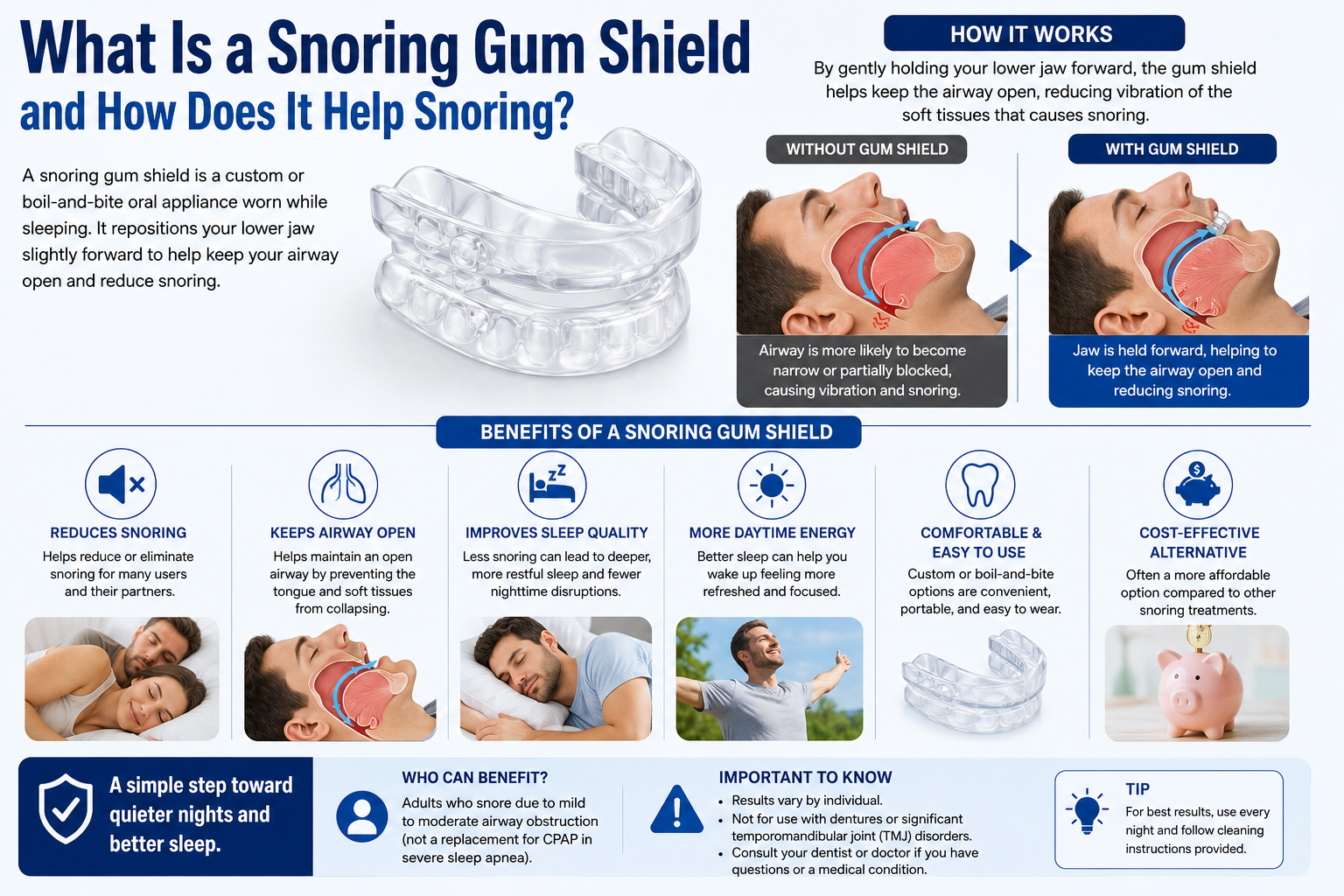
Snoring usually occurs when airflow through the nose or throat becomes partially blocked during sleep. When air struggles to move freely, it causes the surrounding tissues to vibrate, producing the familiar snoring sound.
Several factors can contribute to snoring, including:
Nasal congestion or allergies
A deviated septum
Sleeping position
Excess weight
Fatigue or muscle relaxation during sleep
In many cases, the problem begins in the nose. When nasal passages are narrow or blocked, breathing becomes more difficult. This is where nasal strips for snoring may help.
What Are Nasal Strips?
Nasal strips are thin adhesive bands placed across the bridge of the nose before sleep. They contain flexible bands that gently lift the sides of the nose outward.
This action helps:
Open the nasal passages
Improve airflow
Reduce resistance during breathing
By making it easier to breathe through the nose, nasal strips may reduce or even eliminate mild snoring caused by nasal blockage.
These strips are typically worn overnight and removed in the morning. They are non-invasive and easy to use, making them a convenient option for many people.
How Nasal Strips Help Reduce Snoring
The main benefit of nasal strips for snoring is their ability to improve airflow through the nose. When nasal passages open more fully, breathing becomes smoother and quieter.
Here are a few ways they can help:
Improved Nasal Airflow
By gently lifting the nasal passages, strips allow air to move more freely. This reduces the pressure that often leads to snoring.
Reduced Mouth Breathing
When the nose is blocked, people often breathe through their mouth during sleep. Mouth breathing increases the chance of snoring. Nasal strips encourage natural nasal breathing.
Better Sleep Comfort
Improved breathing may help people sleep more comfortably and wake up feeling more rested.
Although nasal strips do not treat all types of snoring, they can be helpful for those whose snoring is primarily related to nasal congestion.
Who Can Benefit from Nasal Strips?
Many people can benefit from using nasal strips at night.
People with Nasal Congestion
Individuals with seasonal allergies or colds often experience blocked nasal passages. Nasal strips may provide temporary relief by opening the nose during sleep.
People Who Snore Due to Nasal Blockage
If snoring occurs mainly because of restricted airflow through the nose, strips may help reduce the sound and improve breathing.
Athletes and Active Individuals
Some people also use nasal strips during exercise to improve airflow while breathing heavily.
Individuals Managing Multiple Health Supports
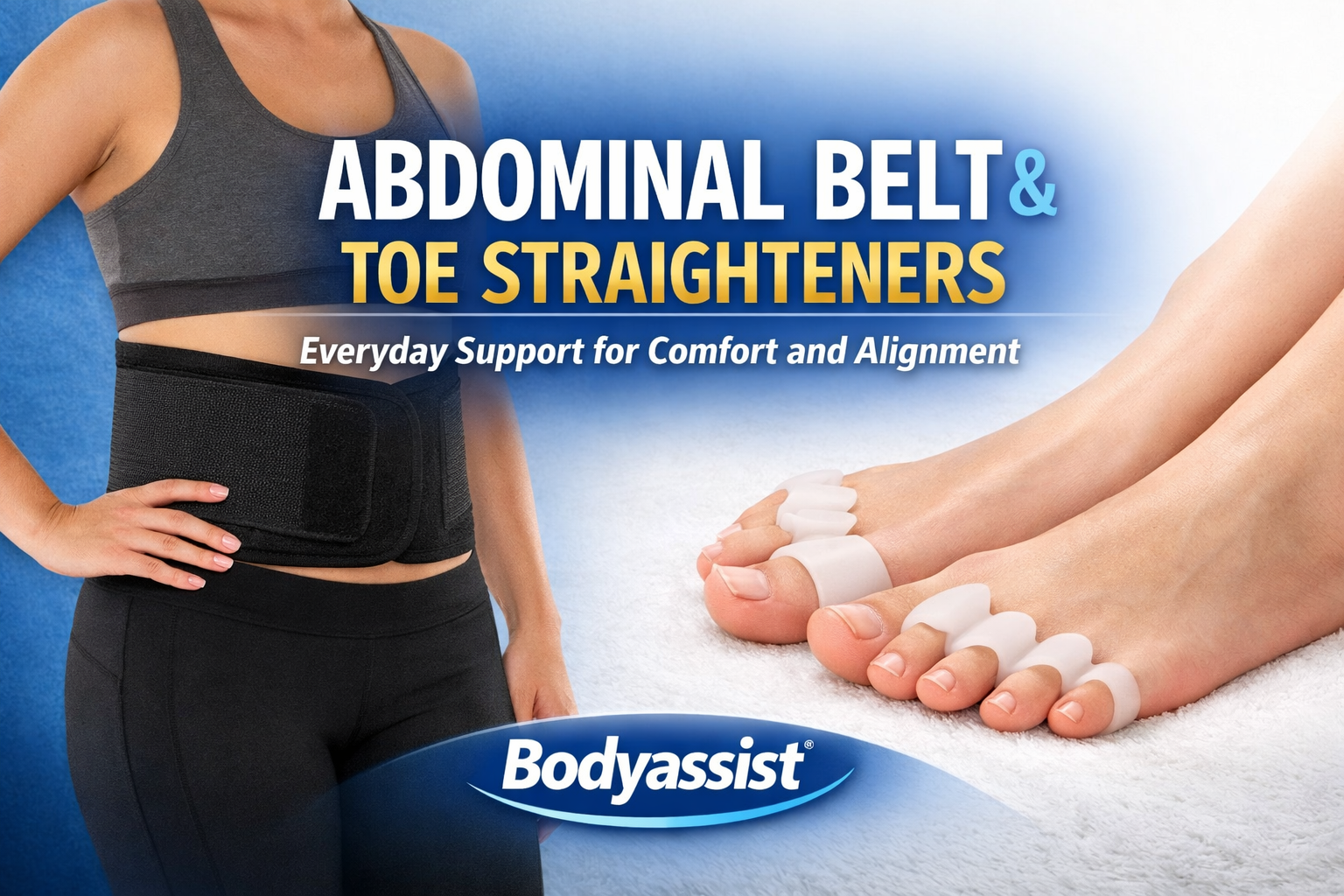
People who already use other supportive products—such as a hernia support belt or an Abdominal Support Belt for abdominal stability—often appreciate simple solutions that help improve comfort in other areas of daily health, including sleep.
Features to Look for in the Best Nasal Strips
Choosing the right nasal strip can improve both comfort and effectiveness.
Strong but Gentle Adhesive
A good nasal strip should stay in place throughout the night without irritating the skin.
Flexible Bands
The internal bands should provide gentle lifting action without causing pressure on the nose.
Breathable Materials
Comfortable materials help prevent irritation, especially for people with sensitive skin.
Proper Size and Fit
Nasal strips are often available in different sizes to fit various nose shapes. A proper fit helps maximize airflow improvement.
Many wellness brands, including Bodyassist, focus on designing health-support products that prioritize comfort, durability, and practical everyday use.
Additional Tips for Reducing Snoring
Nasal strips can be helpful, but they work best when combined with healthy sleep habits.
Here are a few additional steps that may help reduce snoring:
Adjust Sleeping Position
Sleeping on your back can worsen snoring. Side sleeping may help keep airways open.
Maintain a Healthy Weight
Excess weight around the neck can increase pressure on airways during sleep.
Keep Nasal Passages Clear
Using saline sprays or humidifiers may help reduce nasal dryness and congestion.
Maintain Overall Body Support
Proper physical support during the day can also affect nighttime comfort. For example, individuals using supportive products such as a hernia support belt or Abdominal Support Belt for physical strain often benefit from improved posture and breathing patterns.
Taking care of the body during the day often contributes to better sleep at night.
Are Nasal Strips Safe to Use?
For most people, nasal strips are safe when used as directed. They are non-medicated and do not involve internal devices or medications.
However, you should avoid using them on irritated or damaged skin. If irritation occurs, discontinue use and allow the skin to recover.
People with severe snoring or suspected sleep apnea should consult a healthcare professional for proper evaluation.
When Snoring May Require Medical Attention
Occasional snoring is common, but certain symptoms may indicate a more serious sleep disorder.
Consult a doctor if snoring is accompanied by:
Pauses in breathing during sleep
Excessive daytime fatigue
Morning headaches
Difficulty concentrating
Loud, persistent snoring every night
These symptoms may suggest conditions such as sleep apnea, which require professional diagnosis and treatment.
Final Thoughts
Sleep plays an essential role in physical health and daily energy levels. When snoring interferes with restful sleep, even small improvements in breathing can make a noticeable difference.
Using nasal strips for snoring is a simple and non-invasive way to improve nasal airflow and reduce mild snoring caused by nasal blockage. When combined with healthy sleep habits and supportive wellness products such as a hernia support belt or Abdominal Support Belt, individuals may experience better overall comfort both during the day and at night.
Brands like Bodyassist continue to develop practical support solutions designed to help people maintain comfort, mobility, and healthy daily routines.
Frequently Asked Questions (FAQs)
Do nasal strips really help with snoring?
Yes, nasal strips can help reduce snoring caused by nasal congestion or restricted airflow in the nose. They work by gently opening the nasal passages.
How long can I wear nasal strips?
Nasal strips are typically worn overnight and removed in the morning. They are designed for single-use and should not be reused.
Are nasal strips safe for daily use?
For most people, nasal strips are safe to use regularly as long as they do not cause skin irritation.
Can nasal strips help with sleep apnea?
Nasal strips may improve airflow but they do not treat sleep apnea. People with symptoms of sleep apnea should consult a healthcare professional.
How do I choose the best nasal strips for snoring?
Look for strips with a comfortable fit, gentle adhesive, flexible lifting bands, and breathable materials that stay in place during sleep.
You have not enough Humanizer words left. Upgrade your Surfer plan.







Write a comment ...