If you deal with foot discomfort, toe irritation, or hernia-related pressure, you already know how quickly these issues can affect your daily routine. The good news is that modern support products make it easier to stay comfortable while walking, working, exercising, and even resting.
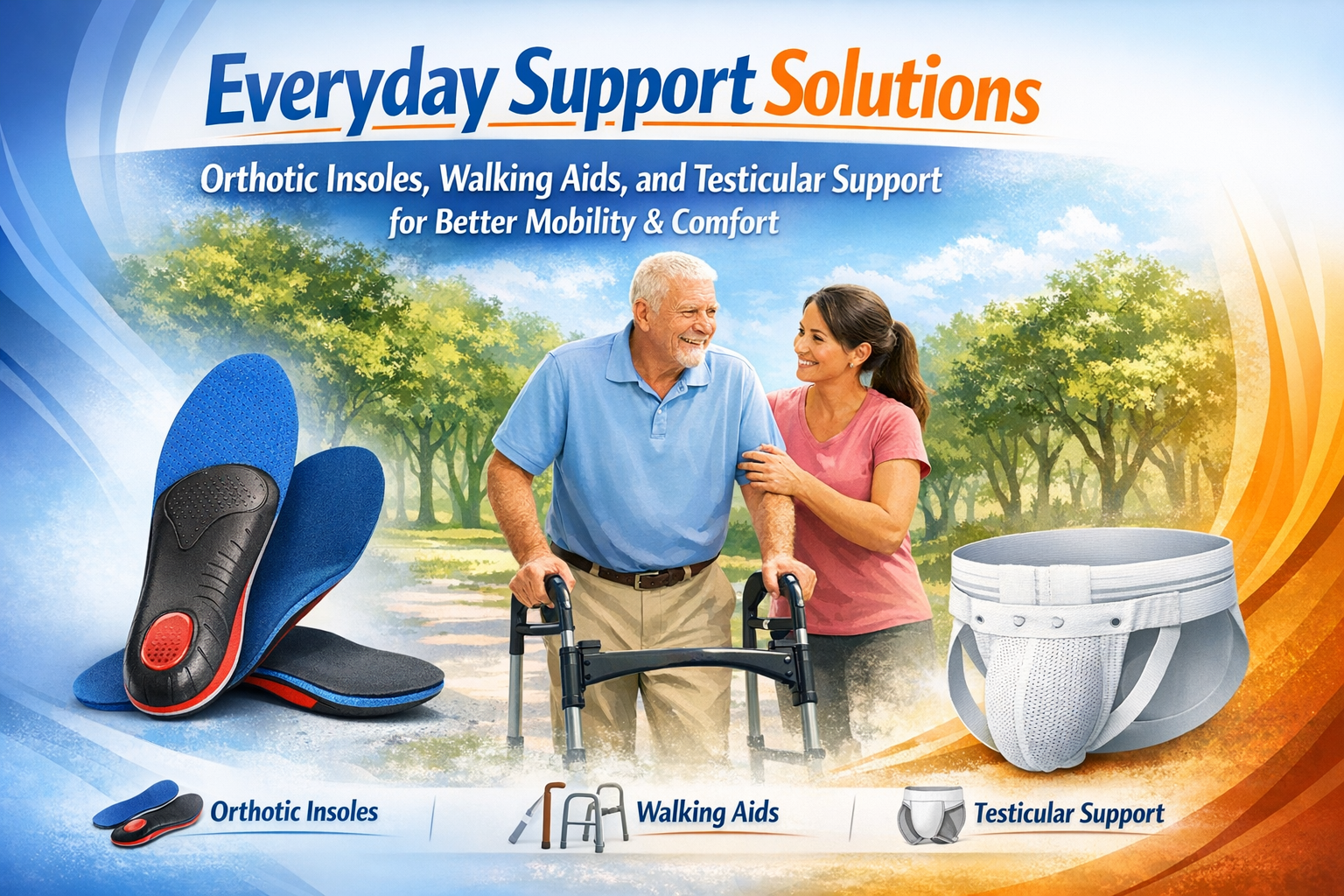
In this guide, we’ll cover three popular comfort tools that many people use for everyday support: Silicone Heel, big toe guard, and Hernia Truss. You’ll learn what each product does, who it’s best for, how to use it correctly, and what to look for when buying one.
Why Everyday Support Products Matter
Small problems often become big problems when they are ignored. A minor heel discomfort can change your walking pattern. A sore toe can make you avoid movement. Hernia pressure can cause strain and limit physical activity.
Support products don’t replace medical care, but they can be extremely helpful for:
Reducing friction and pressure
Improving stability and comfort
Supporting daily mobility
Preventing worsening irritation
When chosen correctly, the right support tool can make a noticeable difference.
Silicone Heel: A Simple Fix for Heel Pressure and Discomfort
A Silicone Heel is a soft gel-based heel pad or heel cup designed to cushion your heel while walking or standing. It helps absorb shock and reduce pressure on the heel area, especially for people who spend long hours on their feet.
Who Can Benefit from a Silicone Heel?
A Silicone Heel is commonly used by people who experience:
Heel soreness after standing for long periods
Foot fatigue during daily work
Minor heel pain caused by impact
Discomfort from hard shoes or thin soles
It is also a popular choice for people who walk a lot, work on concrete floors, or wear formal shoes frequently.
How a Silicone Heel Works
Silicone gel is naturally flexible and shock-absorbing. When placed inside your footwear, it helps:
Reduce pressure on the heel
Support natural foot movement
Improve comfort during long walks
Decrease friction inside shoes
This makes it useful for everyday walking and light activity.
Tips for Using Silicone Heel Correctly
To get the best results:
Place it firmly at the back of the shoe
Make sure the heel pad doesn’t slide
Wear clean socks to reduce moisture buildup
Wash it regularly with mild soap and air dry
A good Silicone Heel should feel stable and soft, not bulky or uneven.
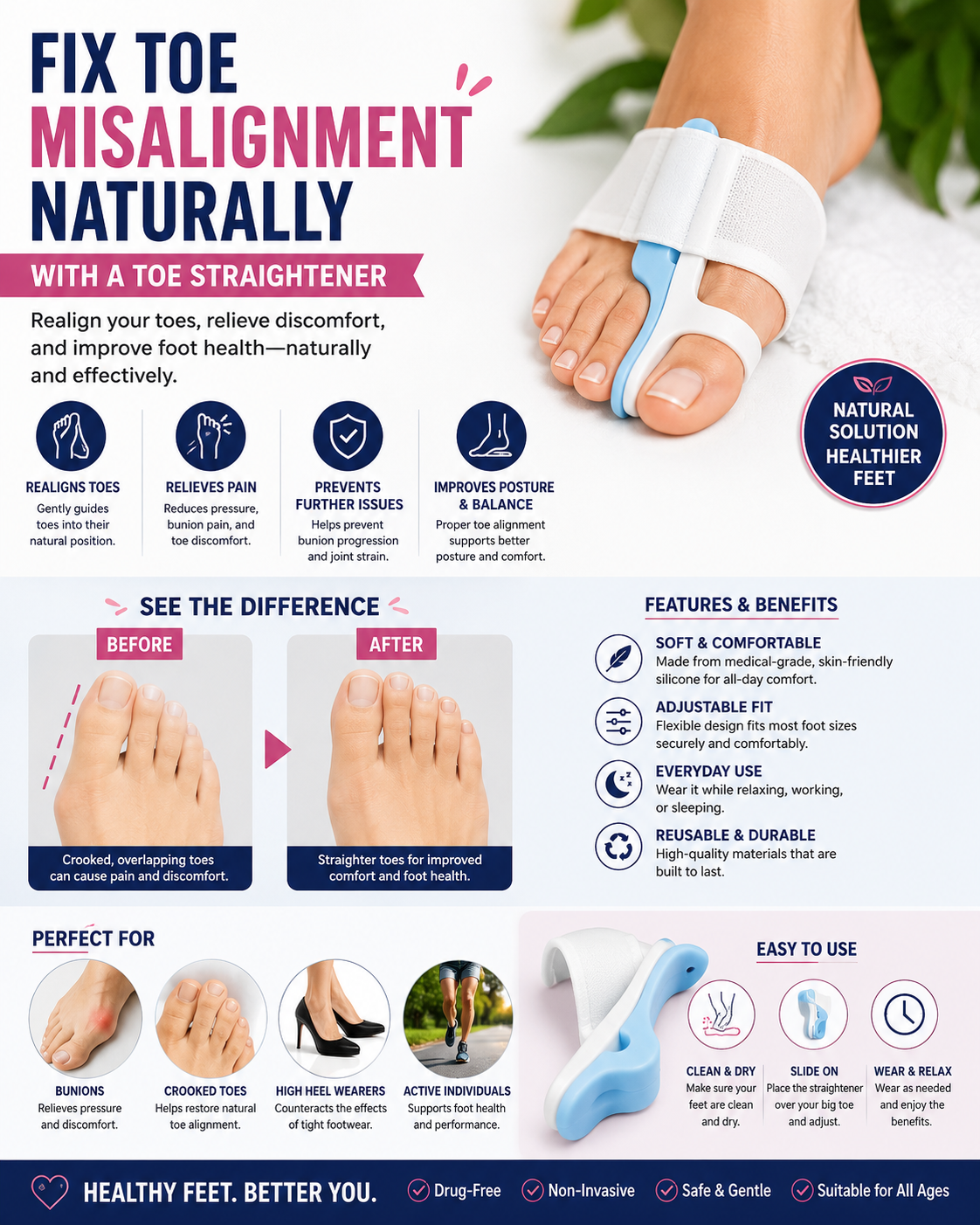
Big Toe Guard: Protecting Your Toe from Friction and Pain
A big toe guard is a soft protective sleeve or cap designed to cover the big toe. It helps prevent irritation caused by rubbing, pressure, or sensitive skin conditions.
Many people start using a toe guard after experiencing toe discomfort from tight shoes, long walks, or minor toe injuries.
Common Reasons People Use a Big Toe Guard
A big toe guard is often used for:
Toe rubbing and friction from shoes
Sensitive skin on the big toe
Toenail discomfort
Toe soreness during walking
Protection during recovery from minor toe irritation
It can also be helpful for people who wear work boots, athletic shoes, or footwear that presses on the toe area.
How a Big Toe Guard Helps
A big toe guard creates a soft barrier between your toe and your shoe. This helps:
Reduce rubbing and irritation
Prevent blisters
Support comfort during movement
Protect sensitive toe areas
If you walk frequently or stand for long hours, a toe guard can reduce discomfort significantly.
How to Choose the Right Big Toe Guard
When shopping for a big toe guard, look for:
Soft and flexible material (silicone is popular)
A snug but non-tight fit
Breathable design to reduce sweat
Washable and reusable construction
Avoid toe guards that are too tight, as they can restrict circulation and cause more discomfort.
Hernia Truss: Support for Hernia-Related Pressure
A Hernia Truss is a supportive garment designed to help manage discomfort from certain types of hernias, especially inguinal hernias. It provides gentle pressure and support in the affected area to help reduce strain during daily activity.
It’s important to note: a Hernia Truss is not a cure. It is a comfort and support tool that may help people stay active while following medical advice.
Who May Use a Hernia Truss?
A Hernia Truss is often used by people who:
Feel pressure or discomfort in the groin area
Need extra support during walking or standing
Want added stability during daily movement
Are waiting for medical evaluation or surgery
Always consult a healthcare provider if you suspect a hernia or experience worsening symptoms.
How a Hernia Truss Works
A Hernia Truss is designed to apply gentle pressure to the hernia area, which may:
Reduce discomfort during movement
Provide a feeling of support
Help prevent irritation caused by strain
Improve confidence during light activity
Some designs include padded areas to improve comfort and targeting.
How to Wear a Hernia Truss Properly
To wear a Hernia Truss correctly:
Put it on while lying down (this may reduce pressure)
Adjust it so it feels secure but not painful
Ensure the pads align properly with the support area
Wear it under clothing for daily use if needed
Do not overtighten. A truss should feel supportive, not restrictive.
When Not to Use a Hernia Truss
A Hernia Truss is not suitable if:
You have sudden sharp pain
The bulge becomes hard or tender
You experience nausea or vomiting
The hernia cannot be pushed back gently
Symptoms worsen quickly
These may be signs of a serious condition that requires immediate medical care.
How to Choose the Best Support Products for Daily Use
When selecting a Silicone Heel, big toe guard, or Hernia Truss, comfort and fit should always come first.
1) Focus on Proper Sizing
If the product is too loose, it won’t help. If it’s too tight, it may cause discomfort or circulation issues.
2) Choose Skin-Friendly Materials
Look for soft, breathable, and washable materials. Silicone products should be smooth and non-irritating.
3) Prioritize Daily Wear Comfort
These items should fit easily into your daily routine. If they feel bulky, uncomfortable, or hard to wear, you likely won’t use them consistently.
4) Read Product Instructions
Some items work best when worn in specific ways. This is especially true for a Hernia Truss, where correct positioning matters.
Combining These Products in Daily Life
Some people use more than one support product at a time. For example:
A Silicone Heel for long standing hours
A big toe guard for shoe-related friction
A Hernia Truss for extra stability during daily movement
The key is to avoid discomfort caused by stacking too many products in tight footwear or clothing. Comfort should always be the goal.
Final Thoughts: Small Tools, Big Comfort
Daily discomfort can quietly reduce your quality of life. Whether it’s heel pressure, toe irritation, or hernia strain, the right support products can help you move more comfortably and stay active.
A Silicone Heel can reduce shock and improve foot comfort. A big toe guard can protect sensitive toes from friction and rubbing. A Hernia Truss can provide extra support during everyday movement when used responsibly.
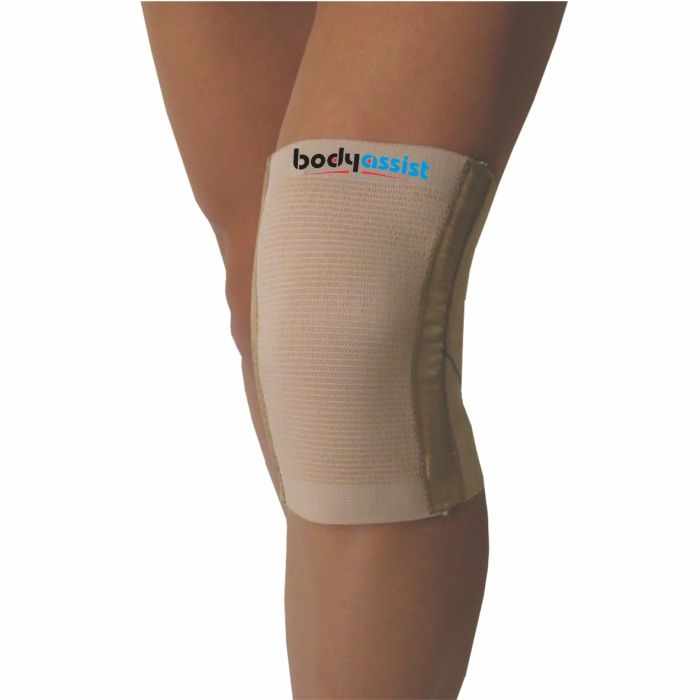
If you’re looking for simple daily comfort tools designed for support, you can explore options from Bodyassist.




Write a comment ...