Mobility is something most of us take for granted—until walking becomes painful, unstable, or exhausting. Whether it’s due to aging, injury, surgery, or a chronic condition, the right support can make everyday movement safer and more comfortable. Choosing from the many available Ambulation Aids doesn’t have to feel overwhelming. With the right guidance, you can find a solution that fits your body, your lifestyle, and your daily routine.
This guide breaks down the most common options and explains how to choose the right combination of support—sometimes that includes more than just a cane or walker. Footwear accessories like heel pad shoe inserts and joint stabilizers like a knee support brace can also play an important role in improving mobility.
What Are Ambulation Aids?
Ambulation Aids are devices designed to help individuals walk safely and independently. They reduce weight-bearing stress, improve balance, and provide stability during movement. These aids are commonly recommended after surgery, injury, or when dealing with conditions like arthritis, muscle weakness, or neurological disorders.
The right aid can:
Reduce the risk of falls
Minimize joint strain
Improve posture and gait
Increase confidence during daily activities
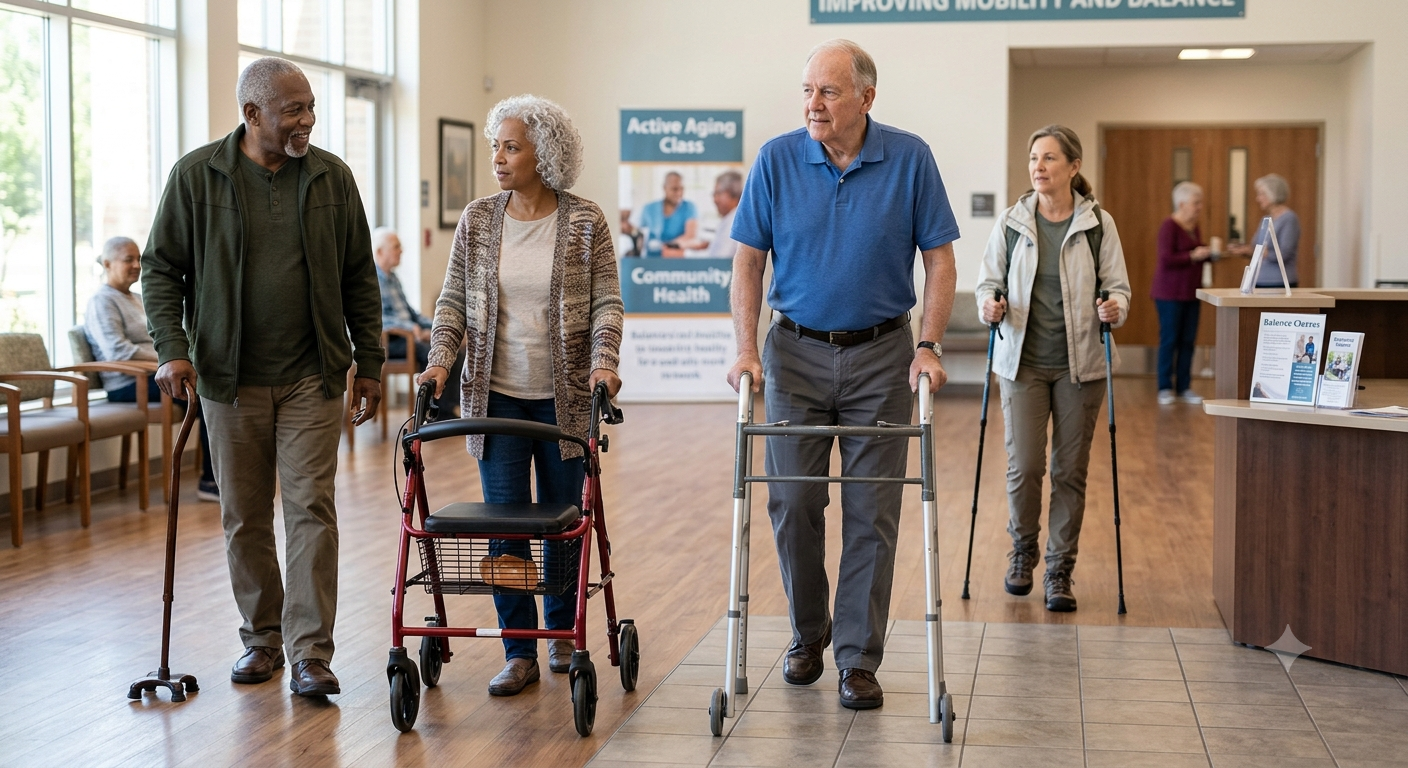
Common Types of Ambulation Aids
1. Canes
Canes are one of the most widely used Ambulation Aids. They are ideal for individuals who need minimal support but require help with balance or mild weakness on one side of the body.
Best for:
Mild arthritis
Slight balance issues
Recovery from minor injuries
Quad canes (with four tips) provide more stability than standard single-point canes. Make sure the cane height is adjusted properly—your elbow should bend slightly when holding it.
2. Walkers
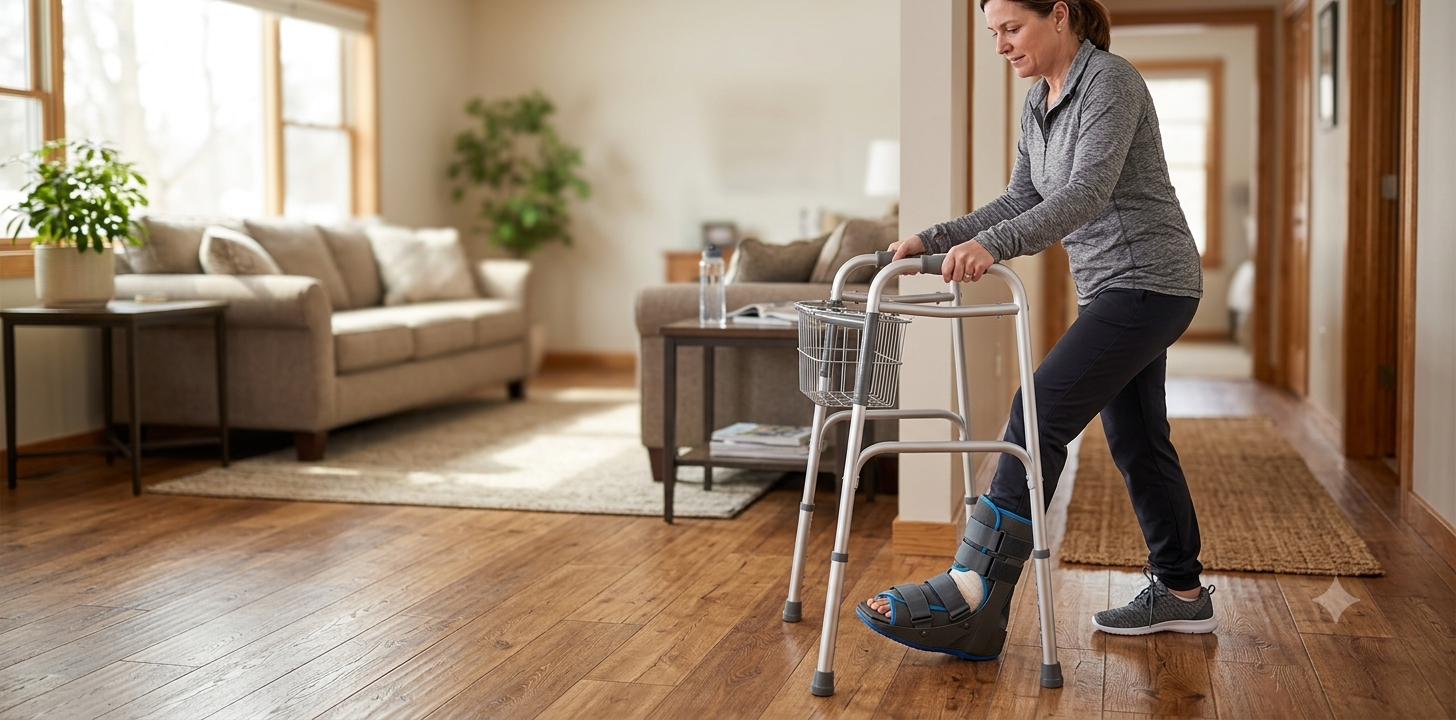
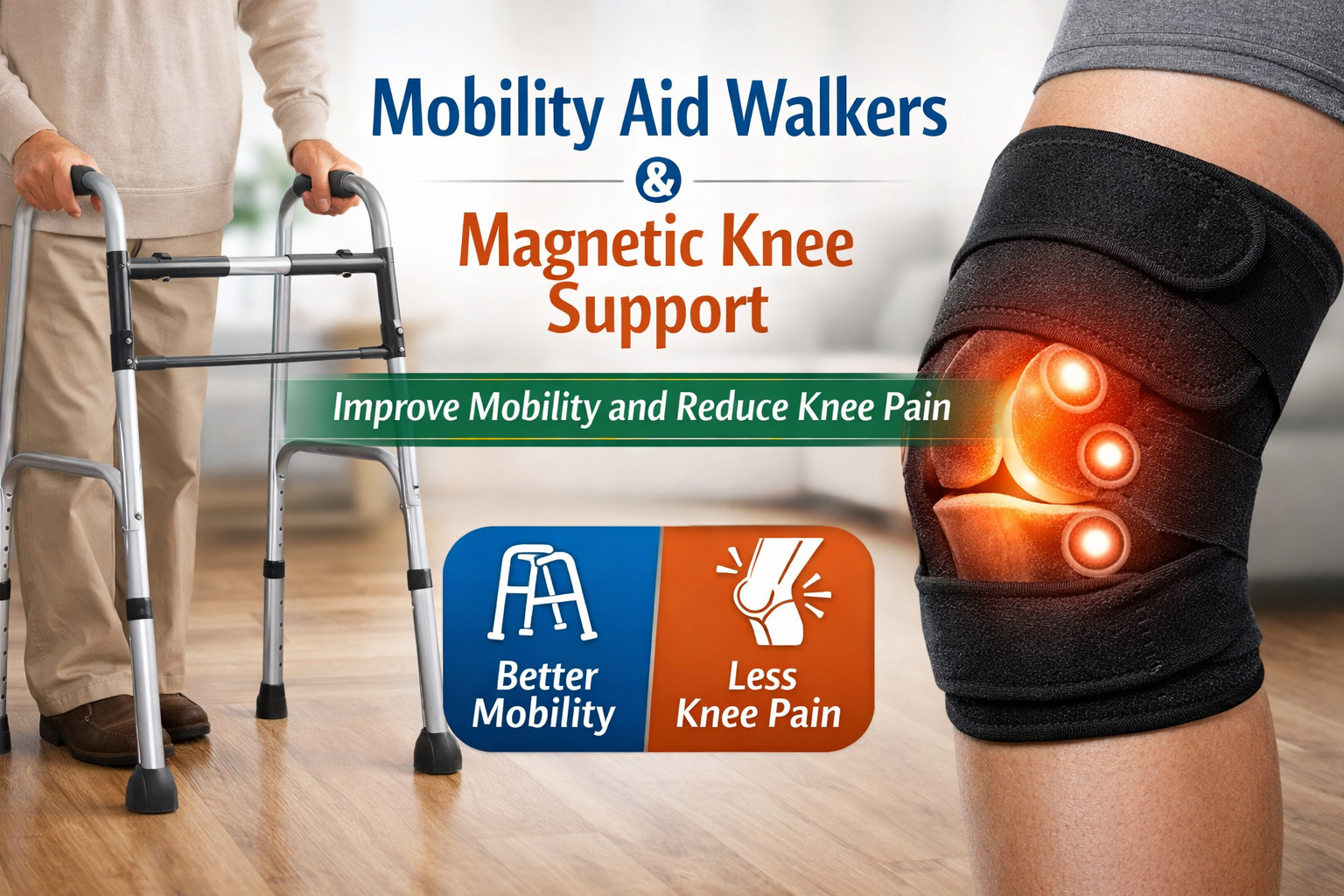
Walkers offer more stability than canes and are recommended for individuals who need significant balance support.
Types include:
Standard walkers (no wheels)
Two-wheel walkers
Four-wheel rollators with seats
Best for:
Post-surgery recovery
Significant lower-body weakness
Fall prevention for seniors
Rollators are especially helpful for longer distances because they include seats for resting.
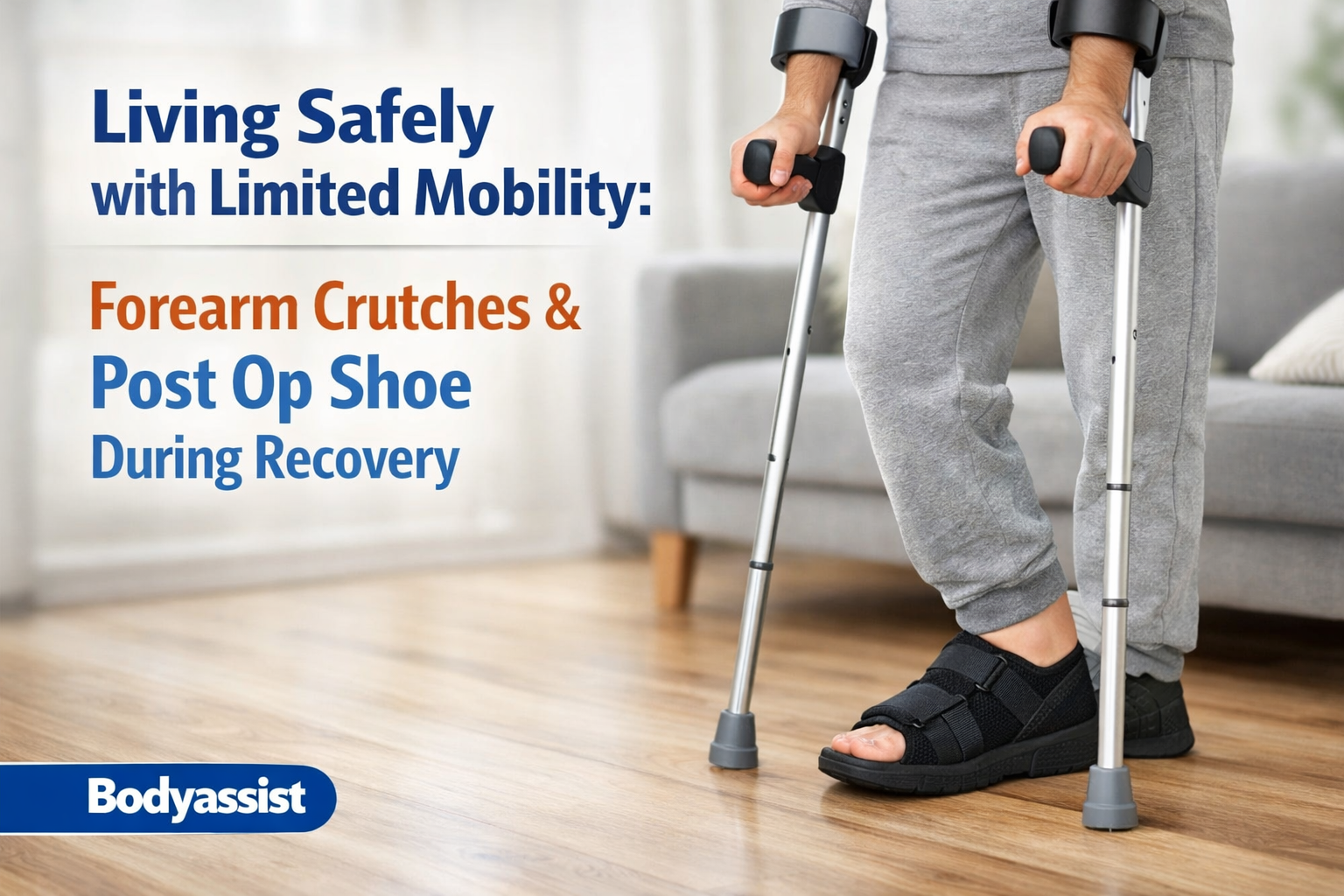
3. Crutches
Crutches are commonly used after acute injuries like fractures or ankle sprains. They help keep weight off one leg entirely.
Best for:
Temporary injuries
Non-weight-bearing recovery
Proper fitting is essential to avoid shoulder or underarm discomfort.
Support Beyond Walking Devices
Sometimes mobility issues don’t require a full walking aid. Instead, small supportive products can significantly improve comfort and stability.
Heel Pad Shoe Inserts
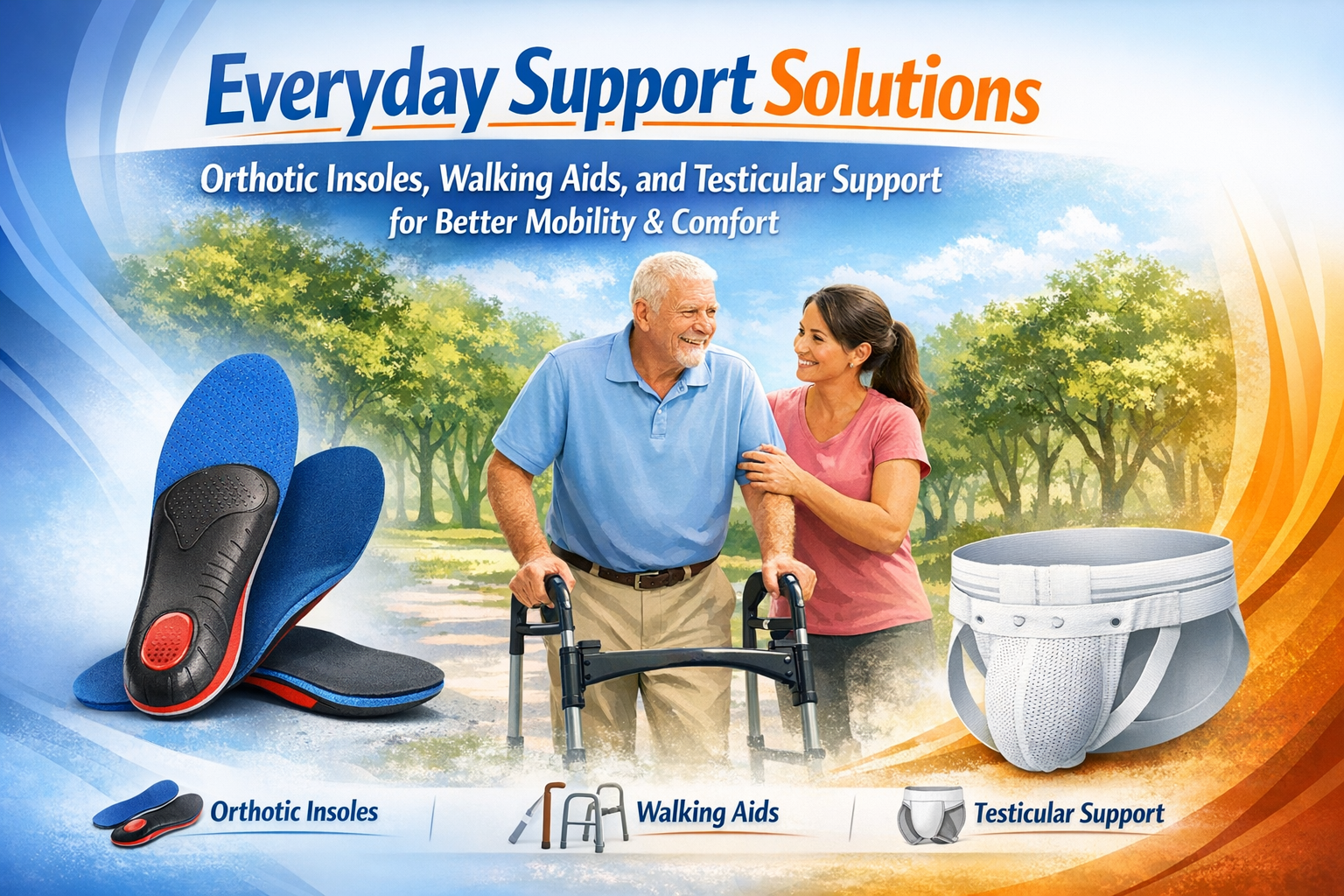
If heel pain or foot discomfort affects your gait, heel pad shoe inserts can make a noticeable difference. These inserts provide shock absorption, reduce pressure on the heel, and improve alignment.
Helpful for:
Plantar fasciitis
Heel spurs
Prolonged standing
By reducing foot pain, you may walk more naturally—sometimes eliminating the need for more advanced Ambulation Aids.
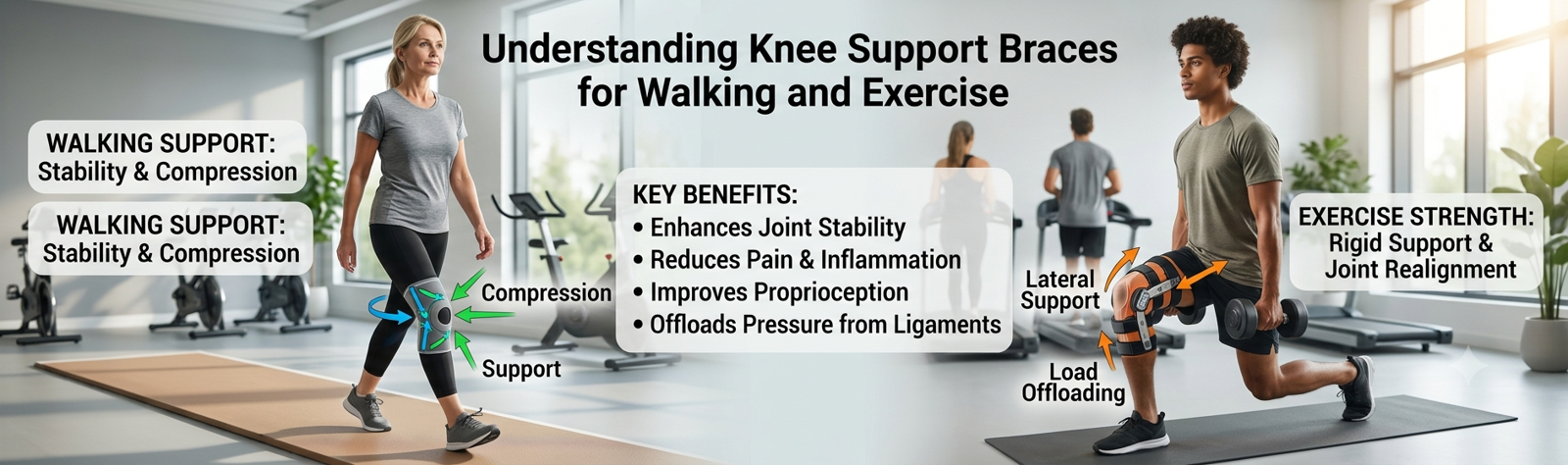
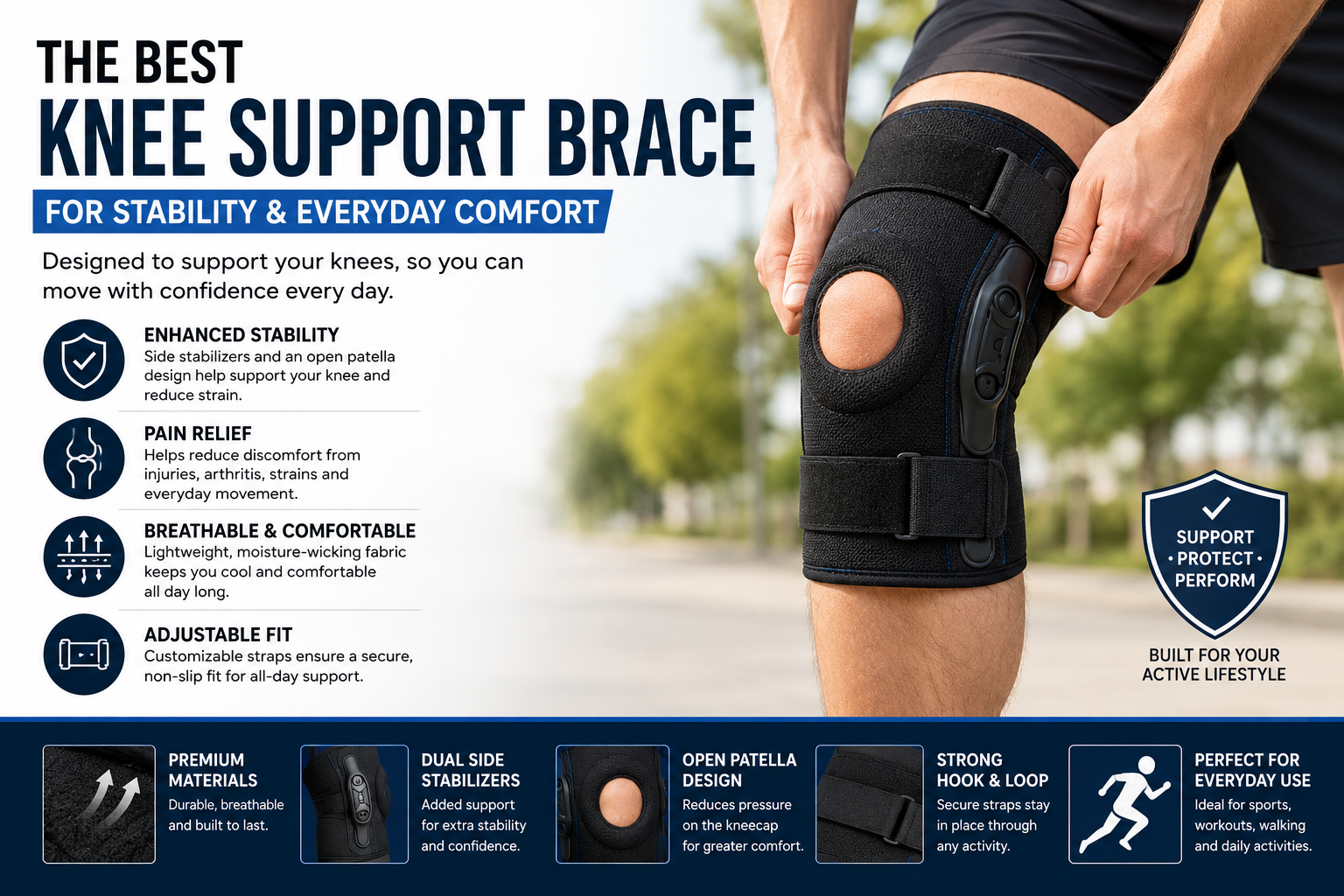
Knee Support Brace
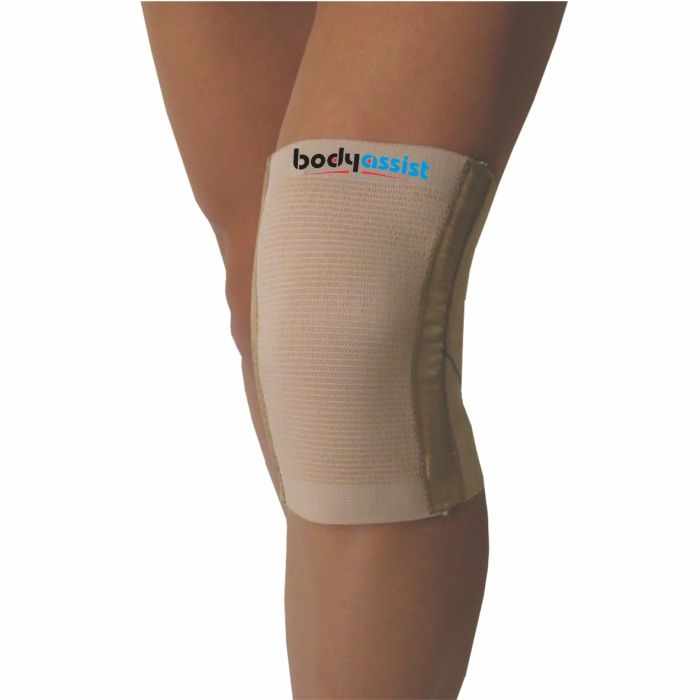
A knee support brace stabilizes the joint, reduces swelling, and improves confidence while walking. For individuals with arthritis or ligament instability, this added support can prevent further strain.
Best for:
Knee osteoarthritis
Ligament injuries
Joint instability
When paired with appropriate footwear or inserts, a knee brace may reduce the need for heavier mobility devices.
How to Choose the Right Ambulation Aid
Selecting the correct Ambulation Aids depends on several factors:
1. Level of Support Needed
Mild balance issues → Cane
Moderate weakness → Walker
Non-weight-bearing injury → Crutches
2. Home Environment
Consider doorway widths, stairs, and flooring. Rollators may not work well in tight spaces, while standard walkers require more lifting effort.
3. Duration of Use
Temporary injuries may only require short-term aids. Chronic conditions often require long-term comfort and ergonomic design.
4. Comfort & Fit
Improperly fitted aids can cause back, shoulder, or wrist strain. Always adjust height correctly and consult a healthcare provider if unsure.
Combining Supports for Better Results
In many cases, mobility improvement isn’t about choosing just one solution. For example:
A walker + knee support brace for post-surgical recovery
A cane + heel pad shoe inserts for arthritis-related foot pain
Compression support + balance training exercises
The right combination can improve independence while preventing future injuries.
When to Seek Professional Guidance
If you experience:
Frequent falls
Severe joint pain
Numbness or weakness
Post-surgical mobility issues
Consult a physical therapist or healthcare provider. They can evaluate your gait and recommend the most appropriate Ambulation Aids.
Final Thoughts
Mobility challenges can feel frustrating, but the right support makes everyday life easier and safer. Whether you need a cane, walker, or crutches—or simply added comfort from heel pad shoe inserts or a stabilizing knee support brace—there’s a solution designed to meet your needs.
The key is understanding your body, assessing your level of support, and choosing wisely. With the right Ambulation Aids, daily movement becomes less about fear of falling and more about regaining confidence, comfort, and independence.


Write a comment ...