
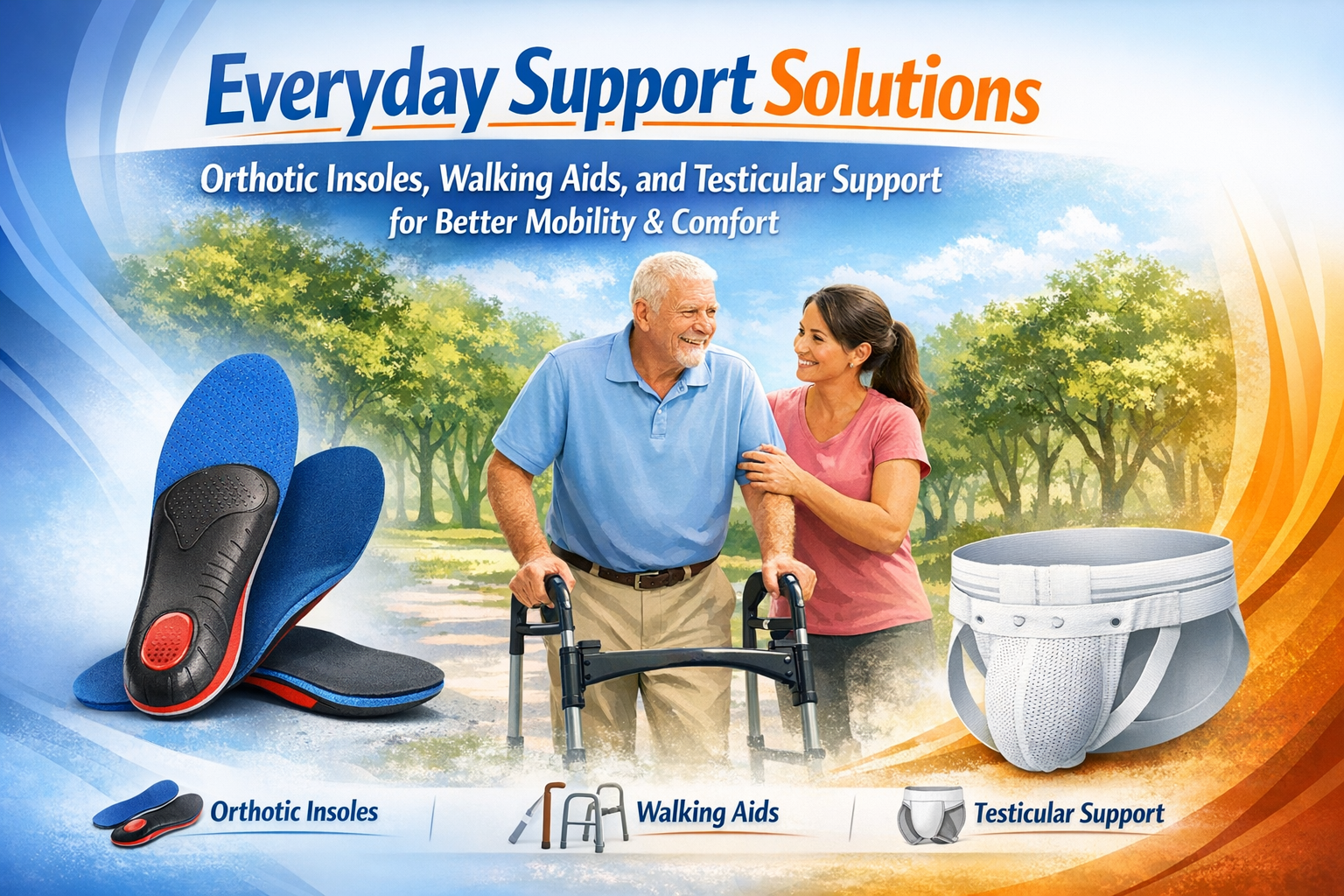
Staying active shouldn’t feel like a daily struggle. Whether you’re dealing with joint stiffness, hand discomfort, or lower-body instability, the right support tools can make a noticeable difference in how you move and feel. From mobility aid walkers that improve balance to solutions for Thumb Joint Pain and reliable knee wraps for added stability, this guide breaks down practical ways to support your body in everyday life.
The goal isn’t to “fix” everything overnight—it’s to reduce strain, improve confidence, and help you move through your day with less discomfort.
Understanding Why Daily Support Tools Matter
Our joints and muscles handle thousands of movements each day—walking, lifting, typing, standing, climbing stairs, and even simple tasks like opening a jar. Over time, the body may start showing signs of wear and tear.
Common challenges include:
Balance issues or leg weakness
Knee soreness after activity
Hand pain from gripping or repetitive motion
Joint stiffness due to age, arthritis, or injury
Support tools are designed to reduce stress on vulnerable areas and improve stability. When used correctly, they can help you stay active longer and avoid compensating movements that lead to more pain.
Mobility Aid Walkers: Support That Helps You Keep Moving
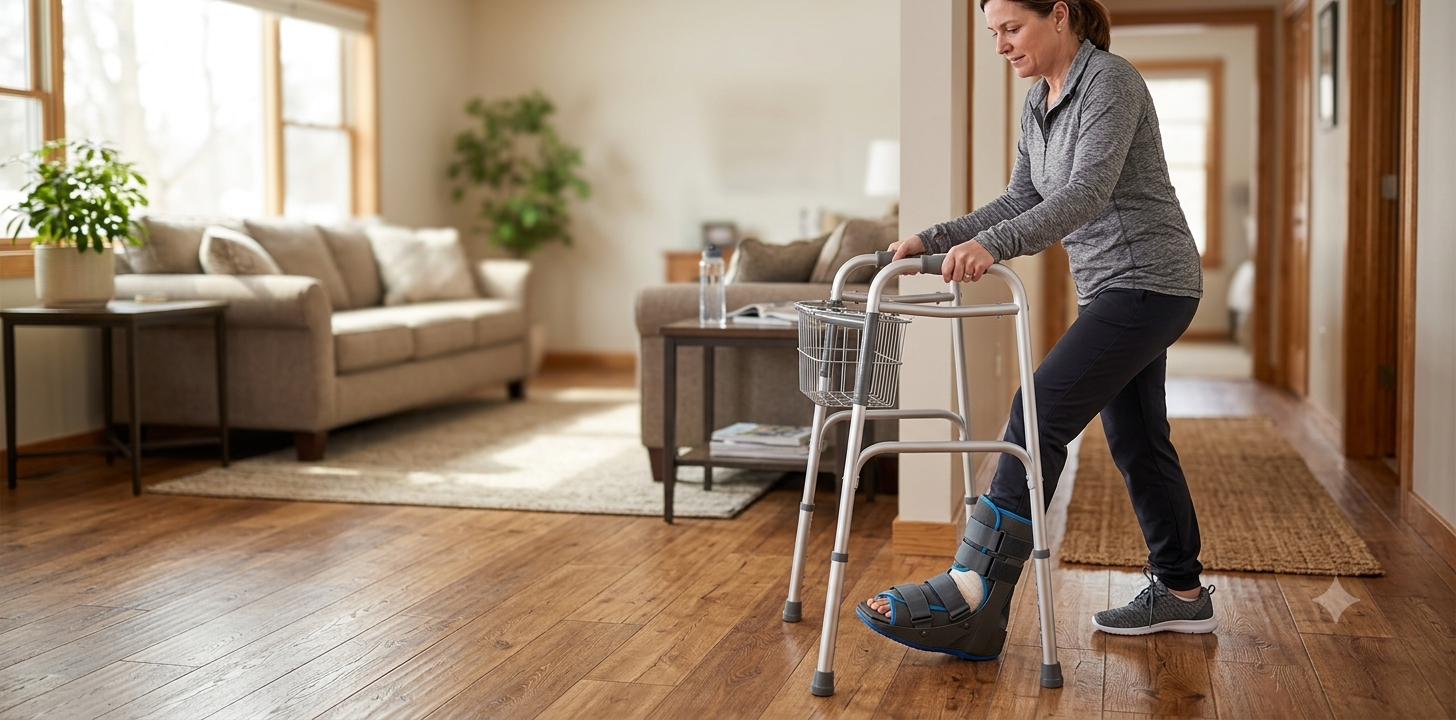
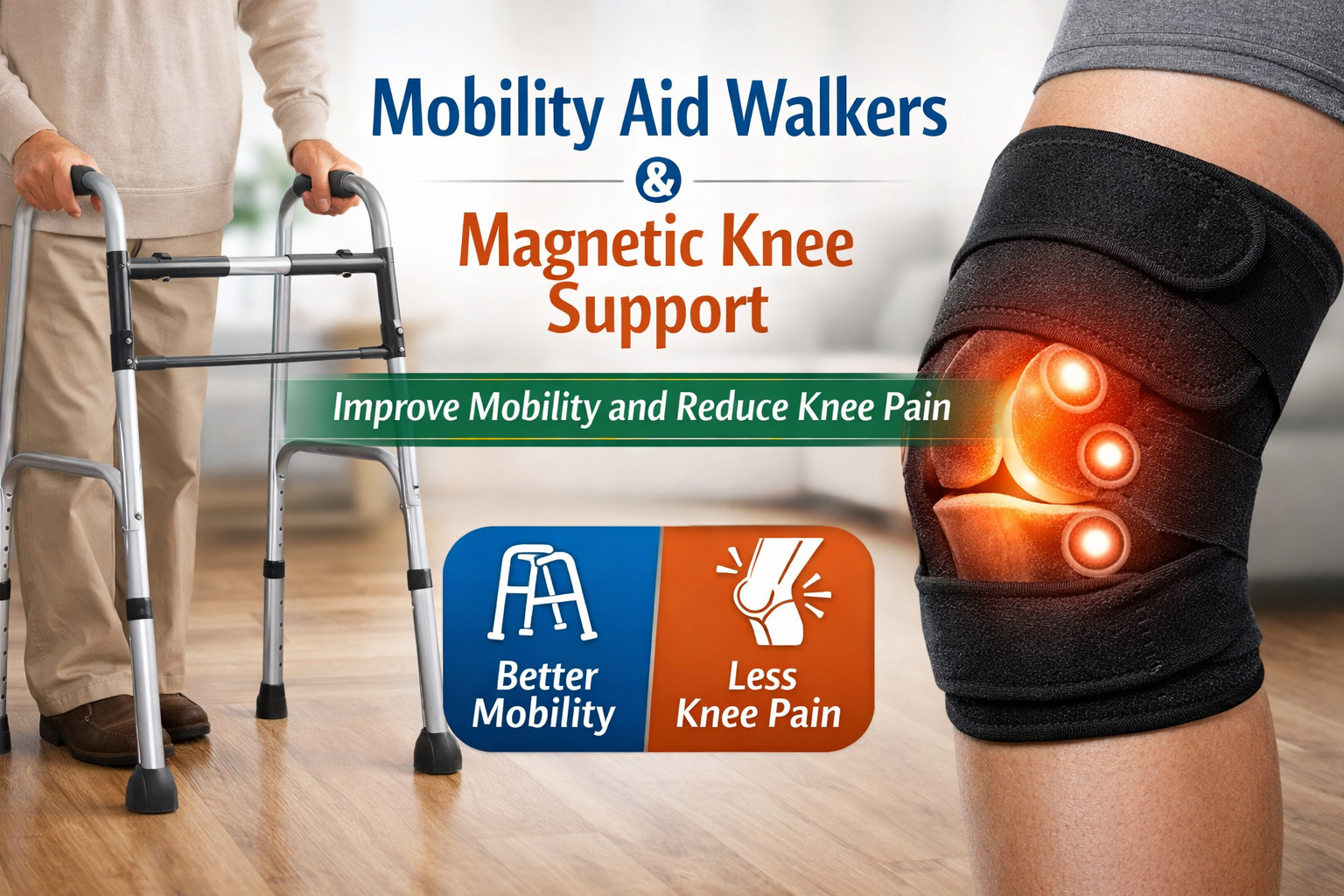
Mobility aid walkers are one of the most effective tools for improving balance and reducing fall risk. They are especially helpful for people who feel unsteady, tire easily, or experience weakness in the legs, hips, or lower back.
Who Benefits Most from Mobility Aid Walkers?
You may benefit from a walker if you:
Feel unstable while walking
Have trouble standing for long periods
Recover from surgery or injury
Have knee, hip, or back pain that affects your stride
Want added safety outdoors or in crowded spaces
A walker isn’t a sign of giving up—it’s a tool that helps you move more confidently and safely.
Types of Walkers and How to Choose
Not all walkers are the same. The right type depends on your strength, balance, and lifestyle.
Standard Walker (No Wheels)
Best for maximum stability. You lift and place it forward with each step.
Two-Wheel Walker
Good for people who want stability but prefer easier movement.
Four-Wheel Rollator Walker
Includes wheels, brakes, and often a seat. Great for longer walks or people who need rest breaks.
Tips for Using Walkers Correctly
To get the best results from mobility aid walkers:
Keep elbows slightly bent (not locked)
Walk inside the frame—don’t lean forward too far
Adjust height so handles align with your wrist crease when standing
Use brakes on rollators before sitting or standing
Proper setup matters more than most people realize.
Thumb Joint Pain: Why It Happens and What Helps
Thumb Joint Pain is extremely common, especially for people who use their hands all day—whether for office work, cooking, caregiving, lifting, or phone use. The thumb joint handles gripping, pinching, twisting, and stabilizing movements, which makes it prone to inflammation and strain.
Common Causes of Thumb Joint Pain
Thumb pain can come from several issues, including:
Arthritis (especially at the base of the thumb)
Tendon inflammation (like De Quervain’s)
Repetitive strain from gripping or scrolling
Old injuries or ligament weakness
If pain is persistent, sharp, or worsening, it’s smart to consult a healthcare professional for evaluation.
Simple Daily Habits That Reduce Thumb Strain
Many people accidentally make thumb pain worse with daily habits. Small changes can help.
Try these adjustments:
Use voice-to-text instead of constant typing
Avoid pinching heavy objects with just your thumb and index finger
Use jar openers or grip tools instead of forcing the twist
Take short breaks during repetitive tasks
Thumb Supports and Splints: When They Help Most
A thumb brace or splint can be helpful when you need support during activity or rest. These braces reduce excessive motion and help calm inflammation.
Thumb braces may be useful if:
You feel pain while gripping or lifting
The thumb feels unstable
You wake up with stiffness
You need support during work tasks
Look for a brace that stabilizes the base of the thumb while still allowing normal finger movement.
Knee Wraps: Reliable Support for Stability and Comfort
Knee pain is one of the most common complaints for adults of all ages. It can be triggered by exercise, walking, weight changes, old injuries, arthritis, or even long hours of standing.
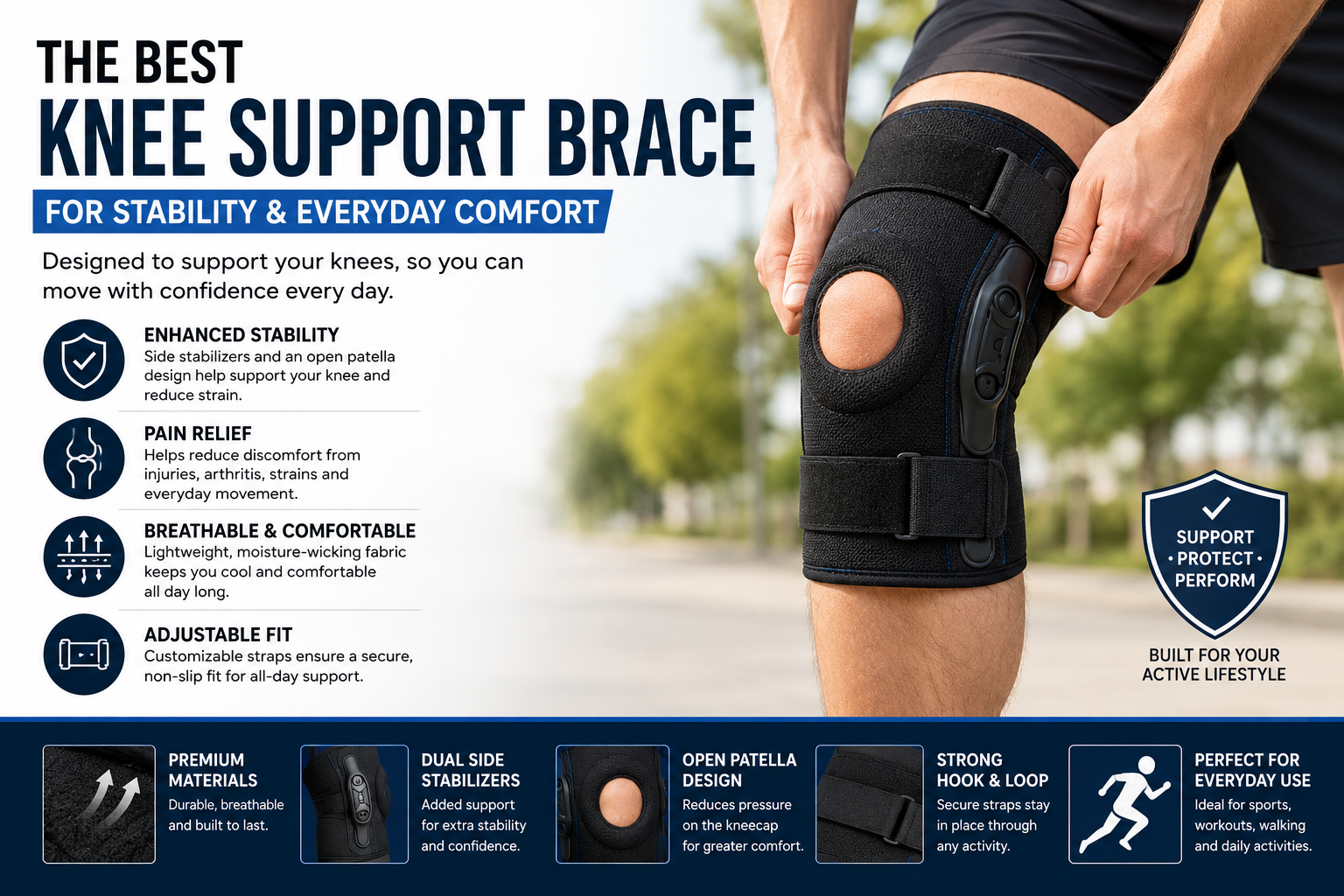
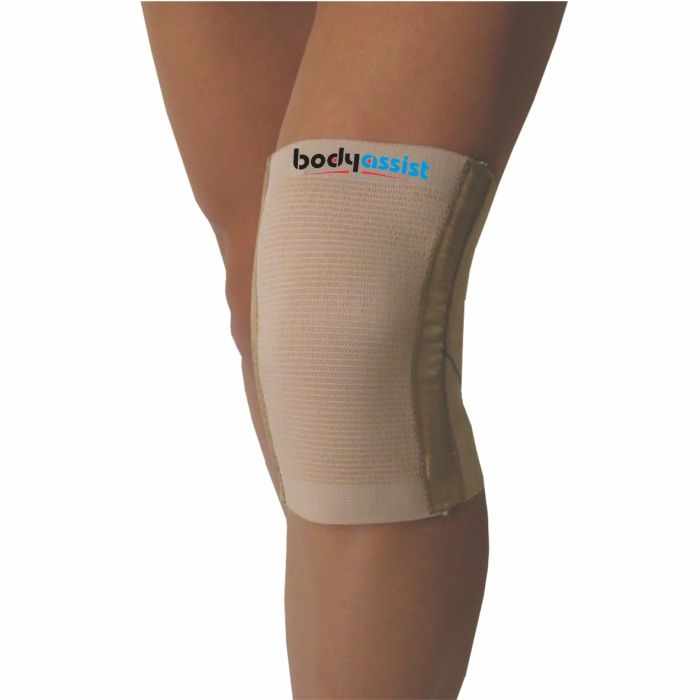
Knee wraps are popular because they offer compression and support without being bulky. When worn correctly, they can improve stability and reduce discomfort during movement.
How Knee Wraps Work
Knee wraps help by:
Providing compression that supports circulation
Reducing swelling and mild inflammation
Stabilizing the knee joint during activity
Supporting the muscles around the knee
They are often used during workouts, long walks, work shifts, or recovery days.
When Knee Wraps Are Most Useful
Knee wraps can help in situations like:
Knee soreness after walking or climbing stairs
Mild instability during exercise
Joint stiffness in colder weather
Light swelling after activity
However, knee wraps are not a replacement for medical treatment in cases of severe injury or structural damage.
Choosing the Right Knee Wrap
A good wrap should feel supportive but not restrictive. If it cuts off circulation or causes numbness, it’s too tight.
When shopping, look for:
Adjustable straps for a secure fit
Breathable material for daily wear
Comfortable compression (not overly rigid)
Easy on/off design
For daily use, comfort and proper sizing matter more than “maximum tightness.”
How These Three Tools Work Together for Better Daily Mobility
Many people focus on one area of pain, but the body works as a connected system. Hand pain affects grip, grip affects balance, and balance affects walking.
Here’s how these support tools connect:
Mobility aid walkers reduce lower-body strain and improve balance
Thumb supports help you grip walker handles more comfortably
Knee wraps support knee stability while walking or standing
If you experience multiple discomfort areas, combining the right tools can reduce overall fatigue and help you move more naturally.
For example, someone with knee discomfort may shift weight awkwardly, increasing fall risk. A walker can stabilize the body, while knee wraps reduce knee strain, and thumb support makes holding the walker easier.
Safety Tips: Avoiding Common Mistakes with Support Products
Support tools work best when used properly. Misuse can lead to discomfort or reduced effectiveness.
Common Mistakes to Avoid
Wearing knee wraps too tight for long hours
Using a walker that is too low or too high
Ignoring thumb pain until it becomes severe
Using support products as a substitute for strengthening
Choosing the wrong size and “making it work”
When to See a Professional
You should seek medical guidance if you experience:
Severe swelling
Sudden sharp pain
Numbness or tingling
Loss of grip strength
Knee buckling or frequent falls
Support tools are helpful, but they should never delay proper diagnosis when symptoms are serious.
Final Thoughts: Comfort, Confidence, and Everyday Support
Living with discomfort doesn’t mean you have to stop doing the things you enjoy. With the right tools and smart daily habits, it’s possible to improve stability, reduce strain, and feel more confident during movement.
Whether you’re exploring mobility aid walkers, managing Thumb Joint Pain, or looking for reliable knee wraps, the key is choosing support that fits your body and lifestyle—not forcing yourself to push through pain.
For practical, everyday support options, many people explore solutions like Bodyassist to improve comfort and mobility in daily life.




Write a comment ...