
Modern life has a funny way of creating small problems that feel huge when they happen daily. Snoring disrupts sleep and relationships. An ankle that feels unstable can make walking stressful. And hiccups—while usually harmless—can be surprisingly annoying, especially when they won’t stop.
The good news is that you don’t always need complicated solutions. Today, many people use simple wellness tools at home to improve comfort and reduce frustration. In this guide, we’ll break down how a snoring gum shield, Walker Ankle Braces, and a hiccup device can support everyday life, how they work, and how to choose the right one.
Why Everyday Support Tools Matter More Than Ever
We often ignore “small” discomforts because they don’t feel like emergencies. But over time, they affect sleep quality, confidence, mobility, and daily routine.
A person who snores heavily may wake up tired and feel groggy all day. Someone with ankle weakness might walk less, avoid exercise, and feel less independent. Even frequent hiccups can interrupt meetings, meals, and sleep.
Support tools are not a replacement for medical advice—but they can be a practical step toward comfort and consistency.
What Is a Snoring Gum Shield and How Does It Work?
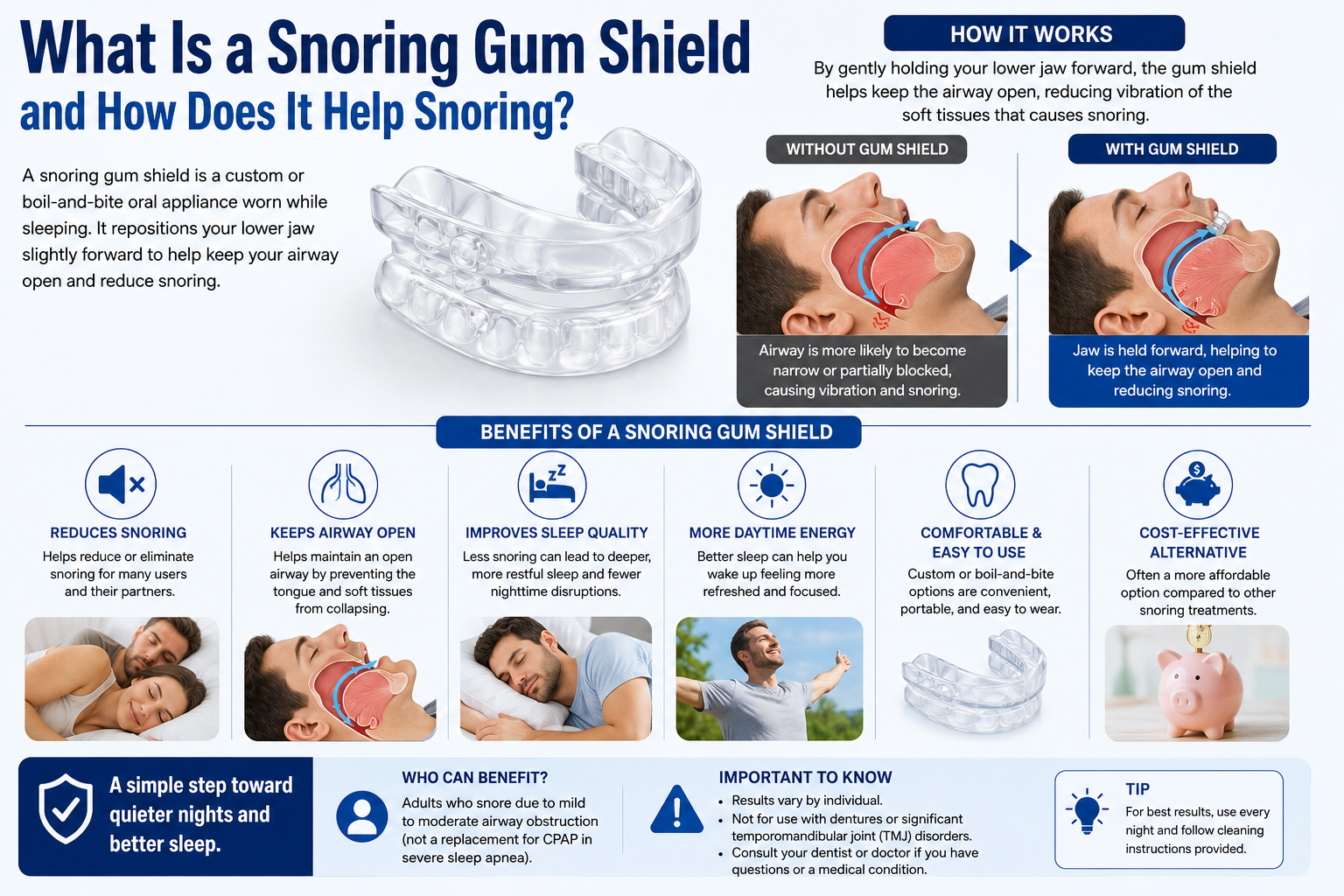
A snoring gum shield is a mouth-based device designed to reduce snoring by improving airflow while you sleep. Many snoring issues happen because the soft tissues in the throat relax too much, partially blocking the airway. This creates vibrations—what we hear as snoring.
A snoring gum shield typically helps by:
Supporting jaw positioning
Reducing airway obstruction
Encouraging better breathing through the night
Some designs work like a mouthguard, while others slightly adjust the lower jaw forward to open the airway.
Who Might Benefit from a Snoring Gum Shield?
A snoring gum shield may be helpful if:
You snore regularly and it’s affecting sleep
Your partner complains about loud snoring
You wake up feeling unrested
You notice snoring is worse when sleeping on your back
Tips for Using a Snoring Gum Shield Safely
To get the best results:
Choose the correct size or moldable design
Clean it daily to avoid bacteria buildup
Start slowly—wear it for short periods at first
Stop use if you experience jaw pain or tooth discomfort
If snoring is paired with choking sounds, gasping, or extreme daytime fatigue, you should speak with a healthcare professional because sleep apnea may be involved.
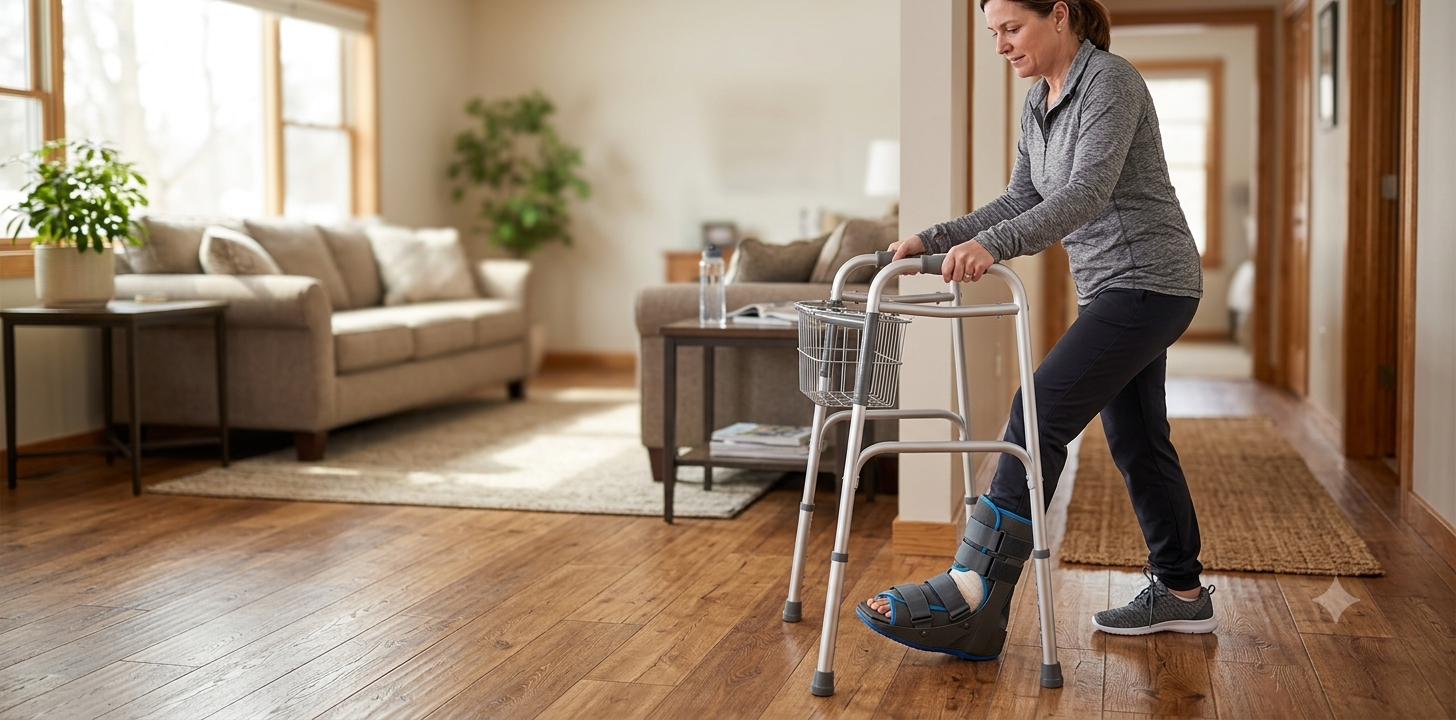
Understanding Walker Ankle Braces for Stability and Support
An ankle injury can change the way you move. Even after healing, many people feel lingering weakness, swelling, or instability—especially when walking long distances or standing for long periods.
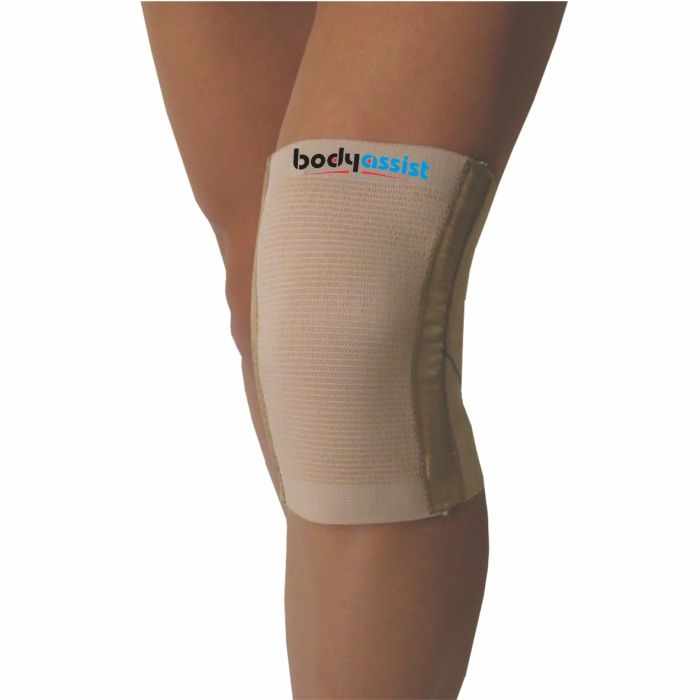
Walker Ankle Braces are designed to support the ankle joint while allowing controlled movement. They’re often used for:
Mild to moderate ankle sprains
Weak ankles after injury
Support during walking or light activity
Stability for uneven surfaces
Unlike rigid casts, many walker-style braces are built for comfort, everyday wear, and mobility.
How Walker Ankle Braces Help
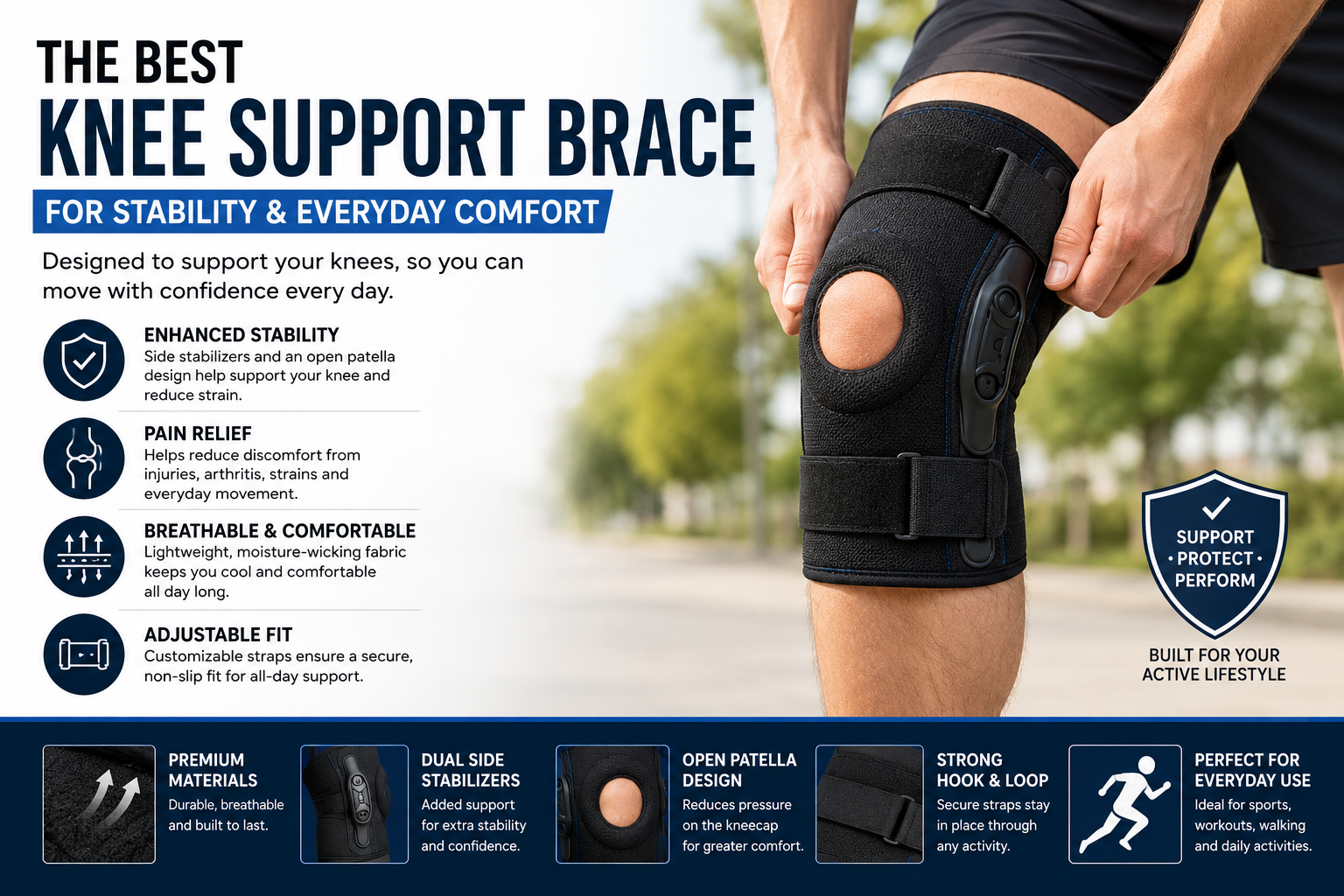
A good ankle brace can:
Reduce side-to-side movement that triggers pain
Improve balance and walking confidence
Provide compression to reduce swelling
Support recovery during daily activity
Many braces also help reduce strain on surrounding muscles and tendons by keeping the joint more aligned.
When to Consider Using Walker Ankle Braces
You might benefit from walker ankle braces if:
You’ve had repeated ankle sprains
Your ankle feels unstable when walking
You feel pain during daily movement
You want extra support during work, errands, or travel
Choosing the Right Walker Ankle Braces
When shopping, look for:
Adjustable straps for a secure fit
Breathable fabric to prevent sweating
A design that fits inside shoes
Compression without cutting off circulation
Also consider whether you need support on one ankle or both. People who overcompensate on one side often end up with imbalance and discomfort elsewhere.
The Hiccup Device: A Simple Tool for an Annoying Problem
Hiccups happen when the diaphragm contracts involuntarily, causing the vocal cords to close quickly. This creates the classic “hic” sound. In most cases, hiccups stop on their own. But sometimes they last longer than expected and become disruptive.
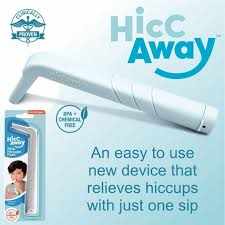
A hiccup device is a tool designed to interrupt the hiccup reflex by helping regulate breathing patterns and diaphragm movement. Many of these devices use controlled suction or breathing resistance.
How a Hiccup Device Works
Most hiccup devices aim to:
Create resistance during inhalation
Engage the diaphragm more deliberately
Reset the breathing cycle
Calm the involuntary spasm
This is why many people find them useful when home remedies fail.
When a Hiccup Device Is Useful
A hiccup device can be especially helpful if:
You get hiccups frequently
Your hiccups last more than a few minutes
Hiccups interrupt meals or speaking
You want a fast, drug-free option
When Hiccups Might Be a Warning Sign
Occasional hiccups are normal. But if hiccups last more than 48 hours, happen constantly, or come with other symptoms, it’s best to consult a healthcare provider.
How These Three Tools Improve Daily Quality of Life
At first glance, a snoring gum shield, walker ankle braces, and a hiccup device seem unrelated. But they share something important: they solve common everyday issues that affect comfort.
Here’s what they help improve:
Better sleep with reduced snoring
Safer walking with ankle stability
Fewer interruptions from stubborn hiccups
The result is not just physical comfort, but more confidence in daily life.
Common Mistakes to Avoid When Using Support Devices
Even the best tools won’t help much if used incorrectly. Here are some common mistakes people make:
1) Choosing the Wrong Size
A snoring gum shield that doesn’t fit can cause jaw discomfort. Walker ankle braces that are too tight can restrict circulation.
2) Expecting Instant Perfection
Some devices take a few nights (or a few uses) to feel natural. Give your body time to adjust.
3) Ignoring Hygiene
Mouth-based devices must be cleaned daily. Braces should be washed regularly to prevent odor and irritation.
4) Using a Device When a Doctor Visit Is Needed
If you suspect sleep apnea, severe ankle injury, or persistent hiccups, don’t rely on home tools alone.
Simple Daily Comfort Routine (Practical Example)
If you want to make these tools part of a healthy routine, try this:
Night: Use your snoring gum shield after brushing and flossing
Daytime: Wear Walker ankle braces during long walking or work hours
As needed: Keep a hiccup device in the kitchen or office for quick use
Consistency is what turns small improvements into real lifestyle changes.
Final Thoughts: Small Tools, Big Comfort
Everyday support devices don’t have to be complicated to be effective. A well-fitted snoring gum shield can improve sleep quality and reduce nightly disruption. Reliable Walker Ankle Braces can restore confidence and stability while walking. And a simple hiccup device can stop an annoying reflex when you need relief fast.
If you’re building a daily comfort toolkit, these three items are practical, affordable, and easy to use—especially when chosen carefully and used consistently. For quality wellness support products designed for everyday life, Bodyassist offers options that fit into real routines without overcomplicating things.




Write a comment ...