
Spending long hours on your feet can quietly take a toll on your body. Whether you work in retail, healthcare, warehouses, or simply stay active throughout the day, foot discomfort often shows up first—especially in the heels. That’s where heel pad shoe inserts come into the conversation. But are they actually worth using, or are they just another short-term fix?
Let’s take a realistic look at how heel pad inserts work, who benefits most from them, and how they fit into overall body support.
Why Heel Discomfort Happens During Long Standing Hours
Your heels absorb a large amount of impact every time you take a step. When standing or walking for extended periods, that pressure builds up.
Common Causes of Heel Pain
Hard flooring with little shock absorption
Thin shoe soles with limited cushioning
Repetitive walking or standing without breaks
Poor foot alignment or posture
Over time, this strain doesn’t just stay in the feet—it can travel upward, affecting knees, hips, and even the lower back.
What Are Heel Pad Shoe Inserts?
Heel pad shoe inserts are small cushioned pads placed inside shoes to protect the heel area. They are typically made from gel, silicone, or foam and focus on one simple goal: reducing impact on the heel.
How Heel Pad Shoe Inserts Work
These inserts absorb shock during walking and standing, reducing direct pressure on the heel bone. This can make everyday movement feel less tiring and more comfortable, especially during long shifts.
Are Heel Pad Shoe Inserts Worth It for Long Hours?
Yes, for Targeted Heel Comfort
If heel pain is your main issue, heel pad shoe inserts can be a practical solution. They don’t change how your shoe fits entirely but add focused cushioning where it’s needed most.
They Support Natural Movement
Unlike bulky insoles, heel pads don’t interfere much with how you walk. This makes them easier to use in work shoes, casual footwear, or even formal shoes.
They Work Best as Part of a Bigger Support System
Heel comfort alone isn’t always enough. When foot pain changes the way you walk, your knees and core often compensate. That’s why combining heel support with other aids can improve overall comfort.
The Role of Body Alignment in All-Day Comfort
Foot Position and Toe Alignment
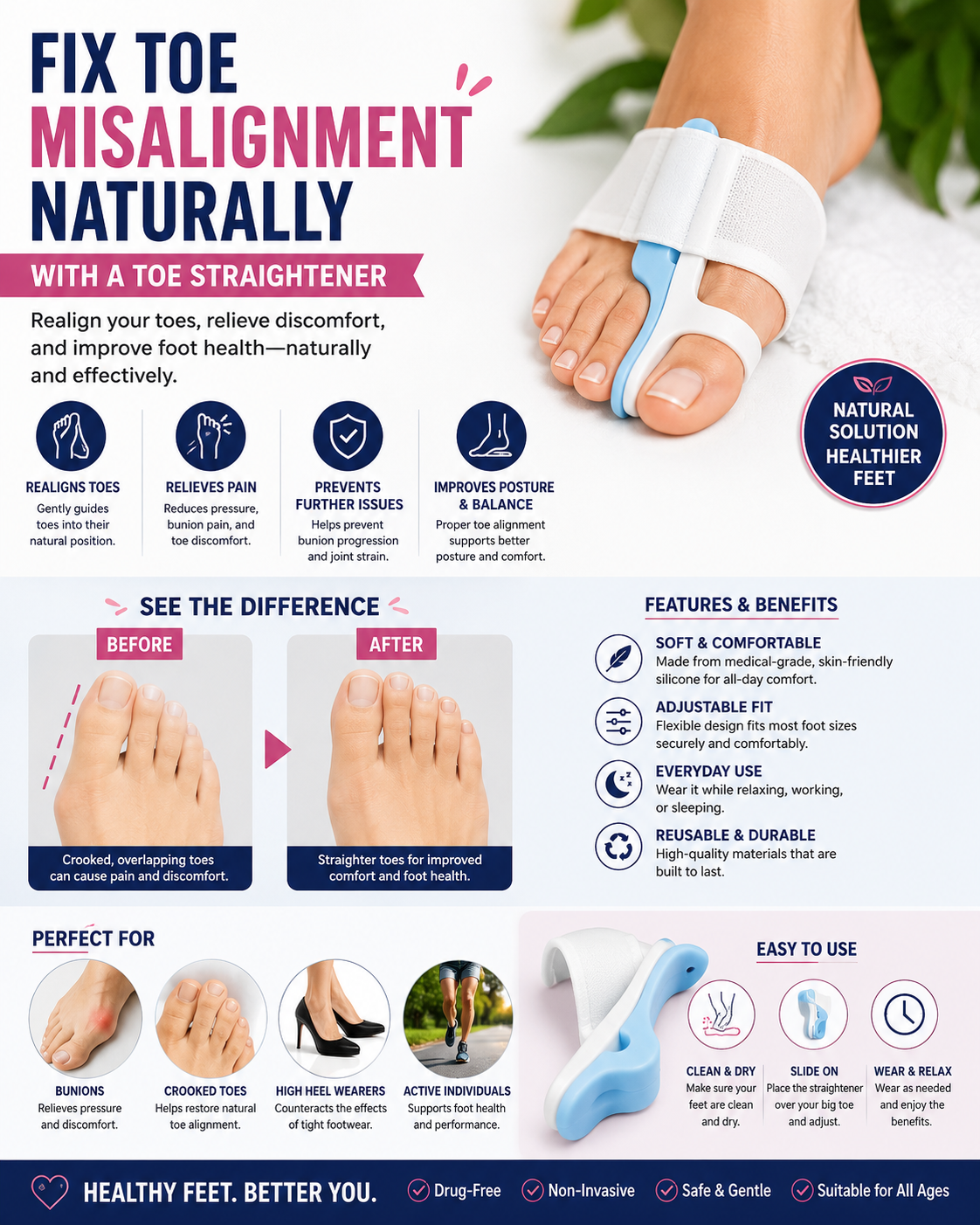
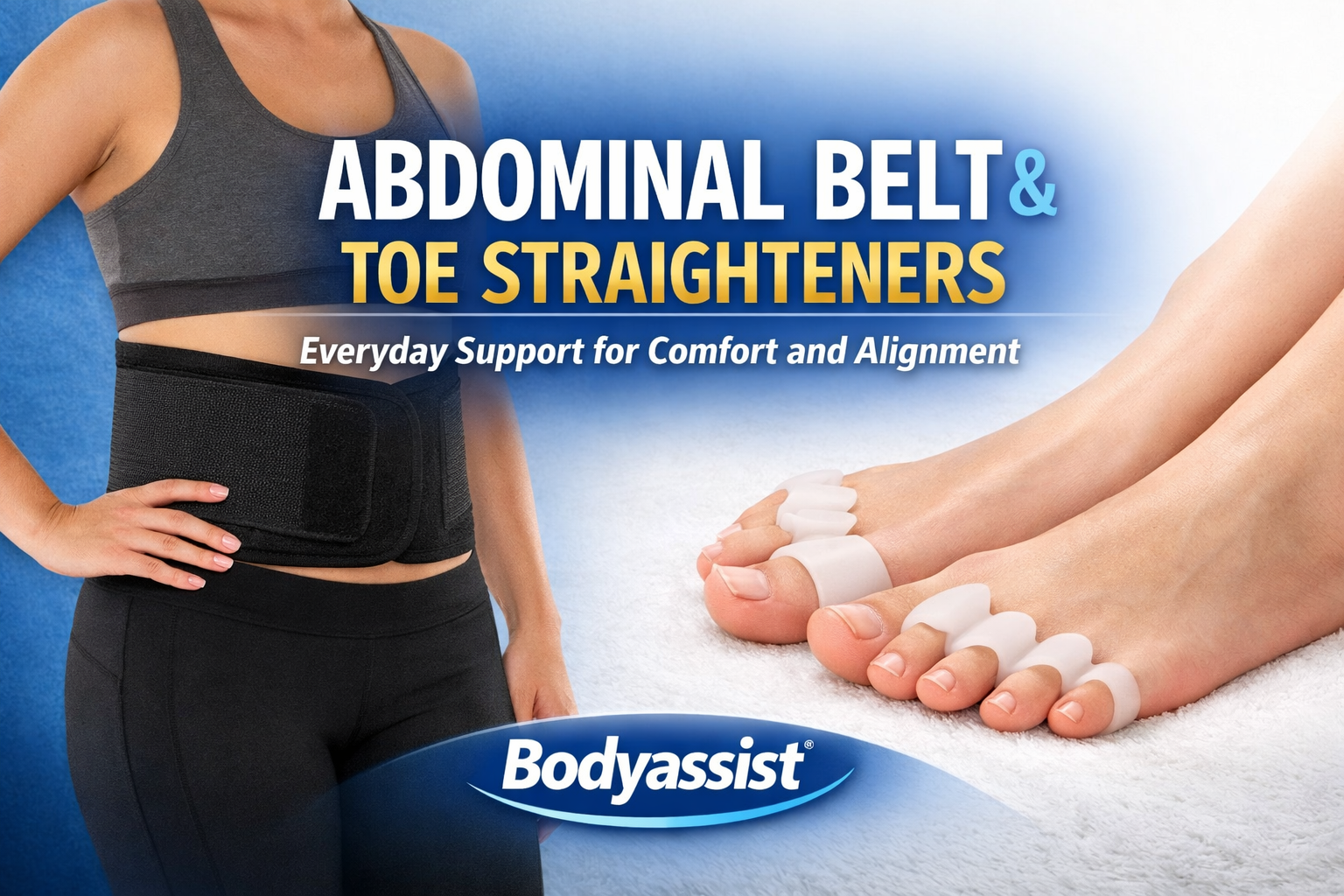
Foot posture starts at the toes. A Toe Straightener can help improve alignment, which reduces uneven pressure on the heel during walking.
Knee Stability Matters Too
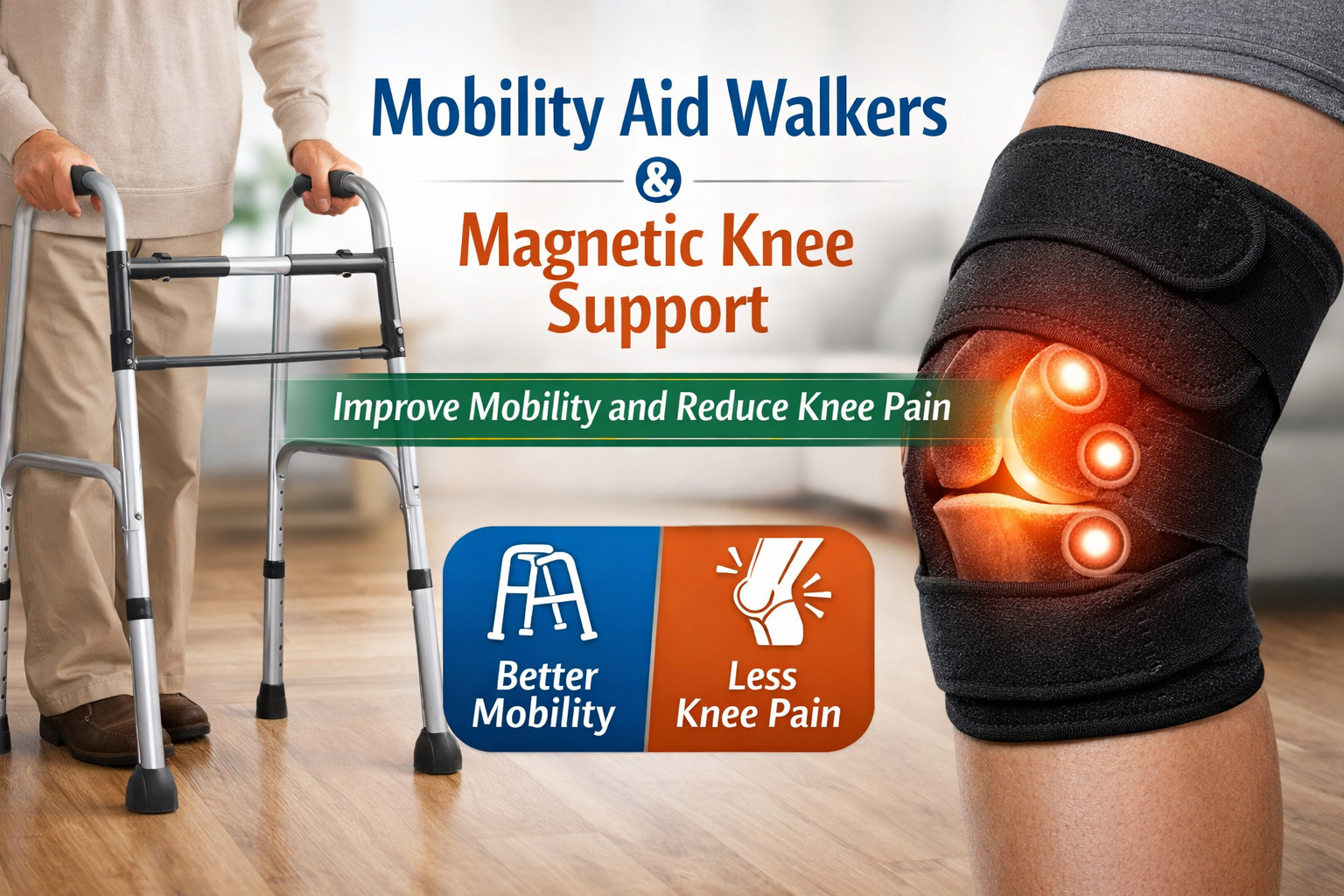
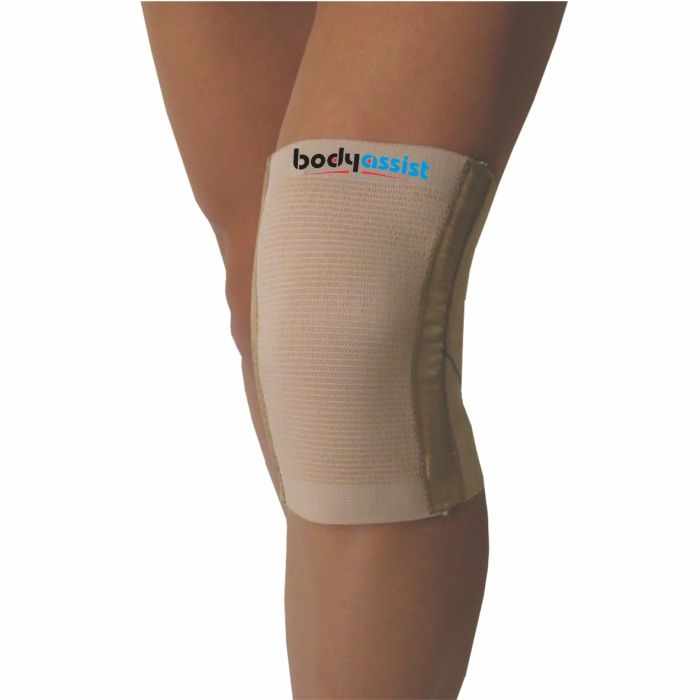
If your knees feel unstable, your feet absorb more stress. Many people find that elastic knee braces support helps reduce knee strain, leading to better walking balance and less heel pressure.
Core and Abdominal Support
Posture plays a bigger role than most realize. Using an Abdominal Belt can help maintain proper posture during standing, reducing downward pressure through the legs and into the heels.
Heel Pad Shoe Inserts vs. Full-Length Insoles
When Heel Pads Are Enough
Pain is mostly focused in the heel
Shoes don’t have space for full insoles
You need lightweight, flexible support
When You May Need More
If discomfort extends beyond the heel into the arch or ankle, full-length insoles might be a better option. Heel pads are best for targeted relief rather than full-foot correction.
Unexpected Links: Lower Body and Core Support
It may seem unrelated, but overall body support can affect foot comfort.
Managing Strain Beyond the Feet
For individuals managing lower body strain or recovery, aids like testicular hernia support can reduce compensatory tension during movement. When the body feels supported, it naturally moves more efficiently—reducing excess stress on the feet.
Who Benefits Most from Heel Pad Shoe Inserts?
People who stand or walk for long hours at work
Those experiencing mild to moderate heel discomfort
Individuals who want discreet, easy-to-use support
Anyone seeking extra cushioning without changing footwear
Heel pad inserts are especially useful when pain is caused by impact rather than structural foot issues.
Bodyassist and Everyday Foot Support
At Bodyassist, the focus is on practical, everyday comfort. Heel pad shoe inserts are designed to blend seamlessly into daily routines, helping you stay active without constant discomfort. When paired with thoughtful body support—from knees to core—they become part of a balanced approach to movement and well-being.
Frequently Asked Questions
Can I wear heel pad shoe inserts all day?
Yes, many people wear them throughout the day, especially during long work shifts. Comfort depends on proper fit and shoe compatibility.
Do heel pad shoe inserts fix foot problems?
They help manage discomfort but do not treat underlying medical conditions. Persistent pain should be evaluated by a professional.
Can heel pads be used with elastic knee braces support?
Absolutely. Supporting both the feet and knees can improve walking balance and reduce overall strain.
Are heel pad inserts suitable for all shoes?
They work best in shoes with some heel space. Tight footwear may feel crowded.
Do toe straighteners really affect heel pain?
Yes. A Toe Straightener can improve foot alignment, helping distribute pressure more evenly across the foot.
Final Thoughts
So, are heel pad shoe inserts worth using for long hours on your feet? For many people, the answer is yes—especially when heel pain is the main concern. While they’re not a cure-all, they offer simple, focused comfort that fits easily into daily life. When combined with proper knee, core, and alignment support, heel pads can make standing and walking feel noticeably easier—one step at a time.


Write a comment ...